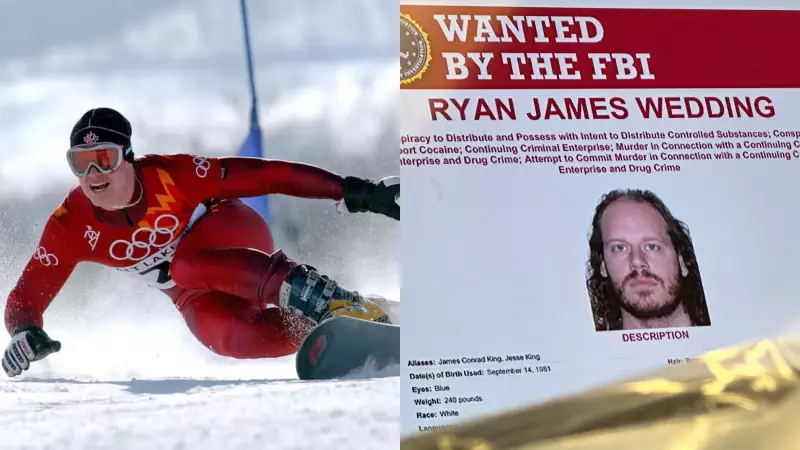
In a stunning development that has captured global attention, Ryan Wedding, a former Olympic snowboarder who transformed into one of the FBI's most wanted drug kingpins, has been apprehended in a significant international law enforcement operation. This arrest marks a dramatic and shocking fall from grace for an athlete who once represented his country on the world stage.
The Arrest of a Notorious Figure
Authorities confirmed that Ryan Wedding was taken into custody following a coordinated effort involving multiple agencies across borders. The operation, which had been months in the making, successfully located and detained Wedding, who had been evading capture for an extended period. His name had been prominently featured on the FBI's most wanted list, highlighting the severity of the charges against him and the extensive resources dedicated to his pursuit.
From Olympic Glory to Criminal Infamy
Ryan Wedding's journey is a tale of stark contrasts. He first gained fame as a talented snowboarder, competing at the Olympic level and earning recognition for his athletic prowess. However, at some point after his sports career, he allegedly turned to a life of crime, becoming involved in large-scale drug trafficking operations. This shift from celebrated athlete to alleged kingpin has baffled many and raised questions about the factors that led to such a drastic change in his life path.

The details of his criminal activities, as outlined by law enforcement, paint a picture of a sophisticated and dangerous operation. Wedding is accused of orchestrating a drug network that spanned international boundaries, dealing in substantial quantities of illicit substances. His ability to evade authorities for so long suggests a high level of cunning and resources, making his eventual capture all the more significant for global crime-fighting efforts.
Implications and Next Steps
The arrest of Ryan Wedding is expected to have far-reaching implications. For law enforcement agencies, it represents a major victory in the fight against organized crime and drug trafficking. It may also lead to further investigations and the dismantling of associated networks, potentially disrupting the flow of illegal drugs in multiple regions.
From a legal perspective, Wedding now faces a long and complex judicial process. The charges against him are serious and could result in severe penalties if he is convicted. His case will likely be closely watched by legal experts, sports communities, and the public alike, as it underscores the unpredictable and often tragic trajectories that can follow the end of a high-profile athletic career.
This story serves as a cautionary tale about the perils of crime and the relentless pursuit of justice by international authorities. It also highlights the importance of support systems for athletes transitioning out of sports, to prevent such drastic downfalls in the future.