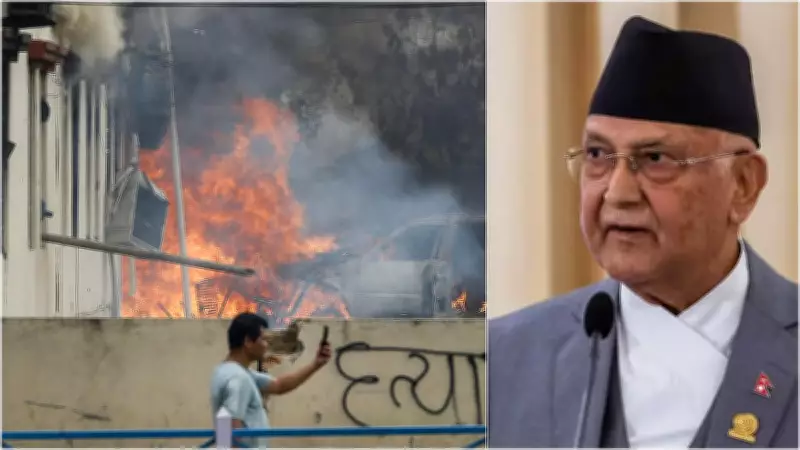
Former Nepal Prime Minister KP Sharma Oli Remanded to Judicial Custody for Five Days
In a significant political development, former Prime Minister of Nepal KP Sharma Oli has been remanded to judicial custody for a period of five days. This judicial action comes as widespread protests continue to sweep across various regions of Nepal, creating a tense atmosphere in the Himalayan nation.
Arrests Follow New Government's Cabinet Decision
The arrests, which include the former premier, occurred just one day after the newly formed government under Prime Minister Balendra Shah held its first cabinet meeting. During this crucial meeting, the government made the decisive move to implement the findings and recommendations of the probe commission that was established to investigate the Gen Z protests that had previously rocked the country.
This implementation marks a bold step by the Shah administration, signaling its commitment to addressing the grievances and events surrounding the youth-led demonstrations. The probe commission's report had been awaited with great anticipation by various political factions and civil society groups across Nepal.

Nationwide Protests Continue Unabated
Despite the judicial actions, protests have continued to erupt across multiple cities and towns in Nepal. Citizens from various walks of life have taken to the streets, expressing their concerns and reactions to both the government's decision regarding the commission report and the subsequent arrests of political figures.
The situation remains fluid, with security forces maintaining a visible presence in key areas, particularly in the capital city of Kathmandu. The protests have drawn attention to the ongoing political tensions and the challenges facing Nepal's democratic institutions during this transitional period.
Political Implications and Future Outlook
The remand of a former prime minister to judicial custody represents a rare and significant event in Nepal's political history. This development is likely to have far-reaching implications for:
- The stability of the current government
- Relations between different political parties
- Public trust in judicial and political processes
- The ongoing dialogue about governance and accountability
As the five-day judicial custody period begins, all eyes are on how the situation will evolve. The combination of high-profile arrests and continuing public demonstrations creates a complex scenario that will test Nepal's political resilience and commitment to democratic norms.
The international community is closely monitoring these developments, recognizing their potential impact on regional stability and democratic processes in South Asia. The coming days are expected to be crucial in determining the direction of Nepal's political landscape and the resolution of the tensions that have prompted these widespread protests.