Although many people believe that their plastic waste is managed effectively through recycling, a significant portion of exported plastic waste ends up in nations that lack proper waste management facilities. Often, plastic considered recyclable is burned openly, emitting dangerous gases and particulate matter into the atmosphere. The issues of plastic recycling, exportation of plastic wastes, international recycling, pollution, open burning, threats to public health, air pollution, waste management, and environmental pollution are increasingly interconnected in an emerging global crisis.
The Hidden Reality of Exported Plastic Waste: Where Does It Go?
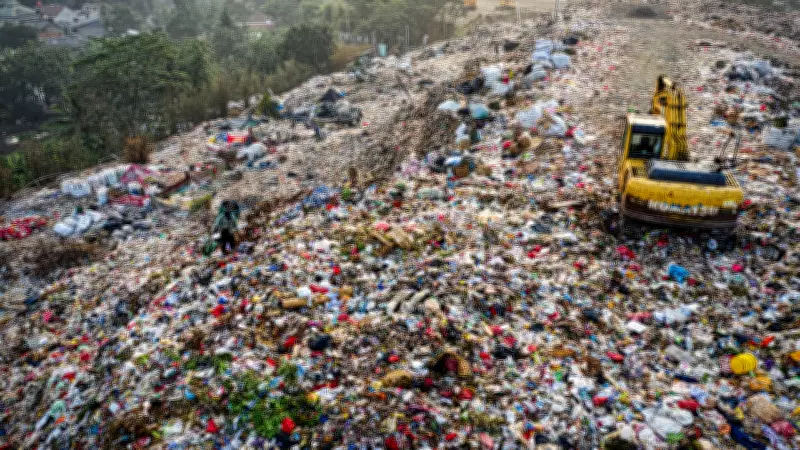
Over the years, developed countries have been disposing of plastic waste in poorer nations for processing. The intention is that the waste would be processed and eventually reenter circulation. However, a large portion of these materials cannot be properly recycled due to contaminants and mixed materials. When recycling facilities become overwhelmed, plastic waste is often dumped, buried, or burned.
Researchers studying global waste management have identified open burning as one of the most overlooked forms of plastic pollution. Dr. Therese M. Karlsson, a Science and Technical Advisor at the International Pollutants Elimination Network (IPEN), describes the open burning of plastic waste as "highly prevalent across the globe" and notes that the actual amount of plastics and toxic chemicals moving via trade is likely even higher. As plastic production increases, plastic waste will also skyrocket. Estimates suggest we will produce 26 billion tonnes of plastic waste by 2050. Without global policies to reduce plastic production, there will continue to be an unequal exchange of plastic waste from high-income countries to non-high-income countries.

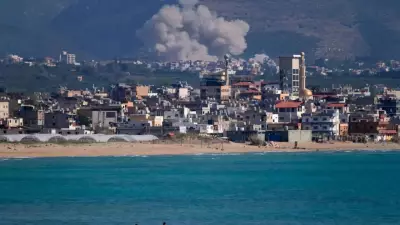
The issue extends beyond litter and landfill sites. Once plastic is burned, pollutants are released directly into the atmosphere, affecting both local communities and wider ecosystems.
How Burning Plastic Affects Public Health
The health consequences of burning plastic are becoming increasingly clear. Studies show that when plastic is burnt, a complex mixture of poisonous materials such as dioxins, furans, heavy metals, and fine particles is emitted into the air. In their study, “Open Burning of Plastic Waste: An Urgent Global Health Issue,” scientists claim that contaminants emitted during burning may remain active even after smoke and odor disappear. These pollutants can affect not only the air but also the lungs, blood, and surrounding environment. Exposure can lead to respiratory infections, heart disease, developmental disorders, and various other diseases.
Joseph Hoover, who holds a doctorate from the University of Arizona and is part of the core faculty of the Indigenous Resilience Centre, notes that burning plastic waste at home has a significant impact on air pollution and health, especially in regions without waste collection systems. It is estimated that about two billion people globally lack access to waste collection facilities.
Why Open Burning Remains a Global Environmental Challenge
An additional reason open burning persists despite efforts to address it is that it can become an informal means of waste disposal due to insufficient infrastructure. Communities may have no other options if waste collection services are sporadic or nonexistent. A study on waste management practices in India, Indonesia, the Philippines, and Zambia found that plastic burning is often considered a pragmatic method for reducing waste volume, despite insufficient awareness of its long-term health effects.
Open burning of plastic waste poses severe risks for both occupational and general populations due to inhalation of contaminated smoke by waste workers and nearby communities. Aerosols from burning plastic waste are more toxic than those from most other combustion processes.
Improving Recycling and Reducing Plastic Pollution
According to specialists, the solution is not simply about getting people to recycle. Domestic recycling processes, reduced plastic production, better waste management practices, and increased transparency on plastic waste exports must all be considered. Experts point out that open burning must be addressed in international plans related to plastic pollution, as this area is currently overlooked.

Consumers are reminded that putting plastics in a recycling bin is just the first step. The further fate depends on management systems. Without appropriate recycling infrastructure and proper waste management regulations, plastics intended for recycling may still contribute to pollution.