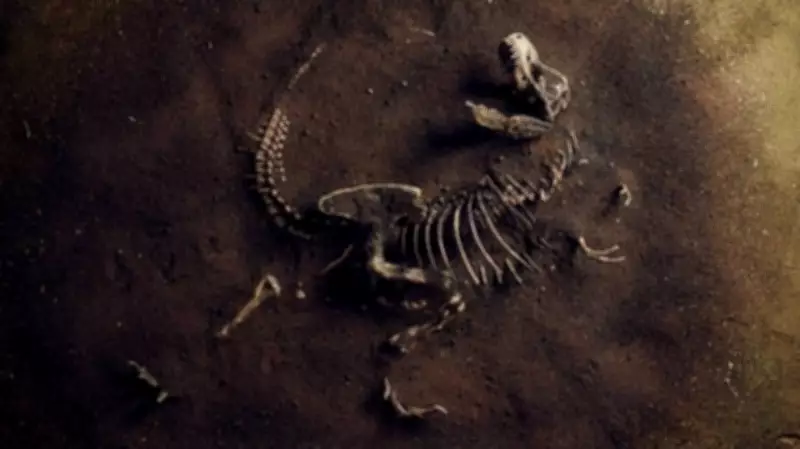
Exquisite Fossil of One of the Smallest Dinosaurs Discovered in Argentina
In a remarkable paleontological find, researchers have unearthed an exquisitely preserved fossil of one of the smallest dinosaurs ever discovered. This significant specimen, affectionately nicknamed "Alna," was found in the sandstone deposits of the La Buitrera site, located in northern Patagonia's Rio Negro Province, Argentina.
Details of the Discovery
The fossil, which dates back millions of years, represents a rare and well-preserved example of a diminutive dinosaur species. Its discovery in the La Buitrera area, known for its rich fossil beds, provides valuable insights into the diversity and evolution of small-bodied dinosaurs during the Mesozoic era.
Key aspects of the find include:

- The specimen's nickname, "Alna," which highlights its unique and delicate nature.
- Its location in the sandstone layers of La Buitrera, a site that has yielded numerous important fossils over the years.
- The fossil's exceptional preservation, allowing scientists to study fine anatomical details that are often lost in other specimens.
Scientific Significance
This discovery is particularly important because it sheds light on the ecological roles and adaptations of small dinosaurs, which are often underrepresented in the fossil record due to their fragile bones. The find in Patagonia, a region renowned for its dinosaur fossils, adds to the growing body of evidence about the prehistoric life that thrived in this part of South America.
Researchers are now conducting detailed analyses to determine the exact species, age, and behavioral characteristics of "Alna." This could lead to new understandings of dinosaur evolution, including how small species interacted with their environments and other creatures.
The fossil's preservation in sandstone suggests it was quickly buried, protecting it from decay and scavengers, which explains its pristine condition. This type of preservation is crucial for paleontologists, as it allows for more accurate reconstructions of the dinosaur's appearance and lifestyle.
Broader Implications
Beyond the immediate scientific value, this find underscores the importance of continued exploration in fossil-rich regions like Patagonia. It also highlights the role of international collaboration in paleontology, as teams from around the world often work together to study such discoveries.
As research progresses, "Alna" is expected to contribute significantly to our knowledge of dinosaur diversity, potentially revealing new information about the evolutionary pathways that led to modern birds and other descendants.