

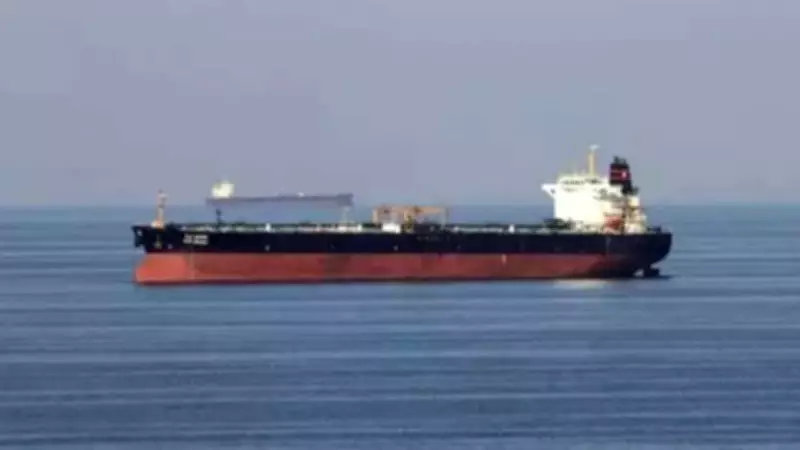
First Western-Linked Vessels Navigate Strait of Hormuz Since Iran Conflict
In a significant development for global maritime trade, a French container ship and a Japanese-owned liquefied natural gas (LNG) tanker have successfully crossed the Strait of Hormuz. These transits appear to be the first by vessels associated with Western Europe since the war in Iran effectively shuttered this vital waterway more than a month ago.
Details of the Historic Crossings
According to tracking data, the CMA CGM Kribi, a container ship, exited the strait on Friday. This marks the first known passage of a ship linked to Western Europe through the Strait of Hormuz since the conflict began. In a parallel development, Japan's Mitsui OSK Lines confirmed on Friday that an LNG tanker it part-owns also completed a crossing, representing another first in the post-war period.
Shifts in Maritime Routes and Strategies
Until now, most vessels traversing the strait have been those friendly to Iran, reflecting the geopolitical tensions in the region. However, in recent days, an alternative route has emerged along the Omani coastline. The Japanese LNG tanker utilized this path, as did two oil supertankers, indicating a potential diversification of shipping lanes to mitigate risks.

The tracking data reveals that the CMA CGM Kribi sailed from waters off Dubai toward Iran on Thursday afternoon. Its journey was openly broadcast, with the ship sticking close to the Iranian coast and navigating through a channel between the islands of Qeshm and Larak. By Friday, it had signaled its position off Muscat, Oman, confirming the successful transit.
Implications for Global Trade and Security
These crossings could signal a cautious reopening or normalization of traffic through the Strait of Hormuz, a chokepoint for approximately one-fifth of the world's oil shipments. The involvement of French and Japanese vessels highlights the international stakes in maintaining open sea lanes, despite ongoing regional conflicts. Analysts are closely monitoring whether this will lead to increased transit by other Western-linked ships, potentially easing supply chain disruptions that have arisen since the war began.
This report is based on information from Bloomberg, with additional context on maritime logistics and geopolitical dynamics.






