Florida's Iguana Invasion Freezes: Cold Snap Causes Reptile Rain
A rare and intense winter cold snap has swept across Florida, bringing temperatures down into the 30s and creating an unusual natural phenomenon. Large numbers of green iguanas, a non-native cold-blooded species, have been temporarily immobilized by the frigid conditions, leading to them falling from trees in a motionless state. This event has captured widespread attention online and prompted emergency wildlife measures.
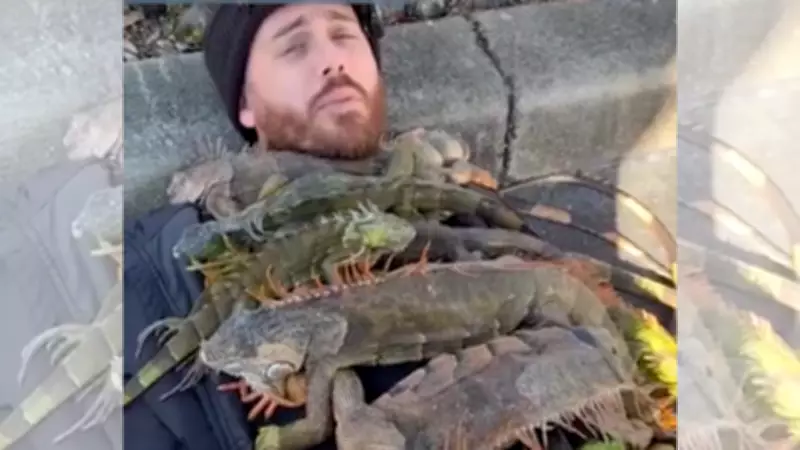
Social Media Sensation: The "Iguana Blanket"
Unusual footage has gone viral on social media platforms, highlighting the bizarre consequences of the cold weather. Influencer @stackz posted a video on February 1st that quickly gained traction, where he humorously joked about trying to sleep under what appeared to be a "blanket" of cold-stunned iguanas. In the clip, he explained that the reptiles were easy to capture because they were in a state of torpor, temporarily losing all muscle control due to the freezing temperatures.
Importantly, @stackz clarified in the video that he did not harm the iguanas, stating, "We love everything with a heartbeat." This sentiment reflects a broader public curiosity and concern for the affected wildlife, even as the situation presents challenges.

Scientific Explanation: What Causes Iguana Freezes?
Green iguanas become "cold-stunned" when air temperatures approach or fall below freezing. As cold-blooded animals, they rely on external heat sources to regulate their body temperature. When exposed to such cold, they lose muscle control and enter a temporary paralysis, often causing them to drop from branches where they perch. This physiological response is a survival mechanism, but it leaves them vulnerable in urban environments.
Wildlife Response: Emergency Measures and Public Action
In South Florida, residents have been actively collecting these stunned reptiles and transporting them to facilities managed by the Florida Fish and Wildlife Conservation Commission (FWC). In response to the freeze, the FWC issued a temporary order that allows the public to capture and move cold-stunned green iguanas without a permit. This is a significant departure from normal regulations, which typically restrict possession and transportation of this invasive species due to their environmental impact.
The scale of the event has been substantial. Reports indicate that more than 1,000 iguanas were turned in to authorities on a single day, Sunday, February 2nd, 2026. Local news videos have shown people gathering dozens of the paralyzed lizards and delivering them in boxes to designated FWC locations across South and Central Florida, underscoring the widespread nature of the phenomenon.
Safety Precautions and Recovery Warnings
Wildlife officials have issued important cautions to the public regarding the handling of these iguanas. They advise against warming the reptiles inside homes or vehicles. While the iguanas may appear lifeless during their stunned state, many can recover once temperatures rise. However, when they revive, they may act defensively, posing a risk of bites or scratches. Proper handling and prompt delivery to authorized facilities are crucial for both human safety and the well-being of the animals.
This event highlights the complex interactions between climate, invasive species, and human communities in Florida, serving as a reminder of nature's unpredictable impacts.