

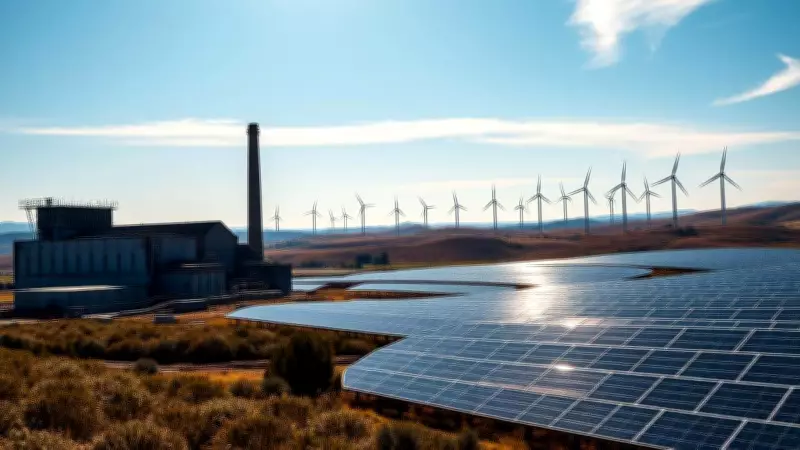
Global Fossil Fuel Power Generation Declines in March Amid Conflict and Clean Energy Surge
In a significant shift, global power generation from fossil fuels fell by 1% year-on-year in March, according to a report released on Wednesday by the Centre for Research on Energy and Clean Air (CREA). This decline was observed in key nations including India, the United States, Turkiye, South Africa, Germany, and the Netherlands, largely attributed to disruptions in energy supplies following the closure of the Strait of Hormuz due to military conflicts in West Asia.
Clean Energy Offsets Fossil Fuel Drop
The report highlights that the reduction in electricity generation from fossil fuels was effectively counterbalanced by substantial increases in renewable energy output. Specifically, solar power generation surged by 14%, while wind power rose by 8%. Hydropower also saw a modest increase of 2%, though this was more than offset by a decline in nuclear power generation. The dataset, which covers 87% of global coal power generation and over 60% of gas-fired generation from countries providing near-real-time data, underscores a pivotal trend in the energy sector.
Contradiction to Expectations and Transport Declines
Contrary to widespread expectations that coal power generation would rise amid energy supply constraints, the data revealed a 3.5% drop in coal-fired power and a 4.0% decline in gas-fired power generation in March for countries with real-time data. Additionally, seaborne coal transport volumes fell by 3% to their lowest levels since 2021, further indicating a shift away from traditional energy sources.

India and US Lead in Solar Growth
The report emphasized that in the United States and India, growth in solar power was the primary driver behind the decrease in fossil fuel-based power generation. India, in particular, added 55.3 GW of renewable energy capacity in FY2025-26, improving its global ranking to third, trailing only China and the US. This achievement underscores India's commitment to expanding its clean energy infrastructure.
Expert Insights on Energy Transition
Lauri Myllyvirta, lead analyst at CREA, commented on the findings, stating, "The record growth in global clean power generation, particularly solar and wind, has helped ease the impact of the latest fossil fuel crisis. The increase in clean electricity offset the fall in gas-fired power generation following the Hormuz blockade, preventing a jump in coal-fired power generation." He further urged, "To mitigate the effects of the current crisis and make such recurring global emergencies a thing of the past, it's essential to use this moment to accelerate the global energy transition."
China as an Exception
While most nations experienced a decline, China stood out as an exception, with fossil fuel power generation increasing by 2% in March. This contrast highlights varying energy strategies and dependencies across different regions, with China continuing to rely more heavily on traditional energy sources amidst global shifts.
The CREA report serves as a critical reminder of the growing role of renewable energy in stabilizing global power grids during geopolitical tensions, urging policymakers to prioritize sustainable energy solutions for long-term resilience.






