

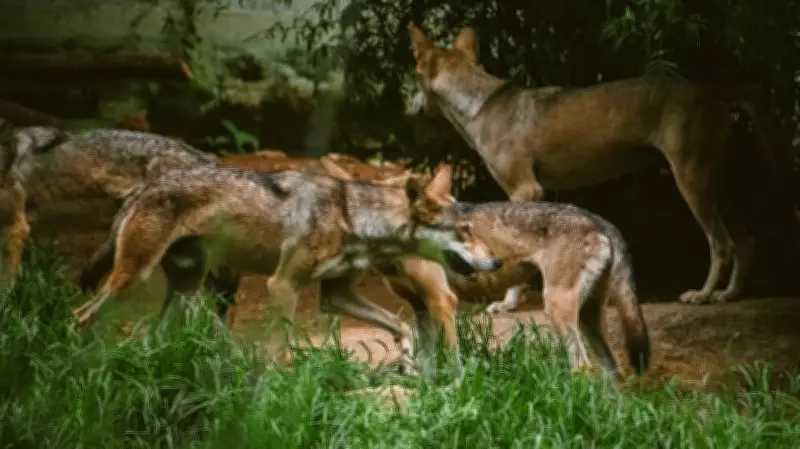
In a significant move to address escalating conflicts between wildlife and agriculture, France has officially sanctioned the culling of around 200 wolves. This decision aims to protect livestock herds that have increasingly become targets as wolf populations surge and spread across the country.
Rising Wolf Populations and Territorial Expansion
Wolf populations in France are experiencing a notable resurgence, with packs reclaiming territories they had vacated centuries ago. Historically confined to remote and isolated areas, such as certain valleys in the Alps, these predators are now venturing into more populated and agriculturally active regions. This expansion has led to a rise in livestock attacks, prompting urgent calls for intervention from farmers and rural communities.
Government Measures to Balance Conservation and Agriculture
The French government's approval of the culling initiative reflects a delicate balancing act between wildlife conservation and agricultural interests. By authorizing the removal of approximately 200 wolves, authorities seek to mitigate the immediate threats to livestock while maintaining broader ecological goals. This strategy involves targeted actions in areas where wolf-human conflicts are most severe, ensuring that culling is conducted in a controlled and regulated manner.

Officials emphasize that this measure is part of a comprehensive wildlife management plan, which includes non-lethal methods such as improved fencing and monitoring. However, the growing frequency of attacks has necessitated more direct actions to safeguard the livelihoods of farmers and prevent economic losses in the agricultural sector.
Implications for Biodiversity and Rural Communities
The decision has sparked debates among conservationists, farmers, and policymakers. Proponents argue that culling is essential to protect livestock and support rural economies, while critics raise concerns about the impact on biodiversity and the long-term sustainability of wolf populations. As wolves continue to spread into new areas, France faces ongoing challenges in managing these apex predators in a way that respects both ecological balance and human needs.
This development underscores the complex dynamics of human-wildlife coexistence in modern Europe, where recovering species like wolves test the limits of traditional conservation frameworks. Moving forward, France plans to monitor the outcomes of this culling program closely, adjusting strategies as needed to ensure effective and ethical wildlife management.






