

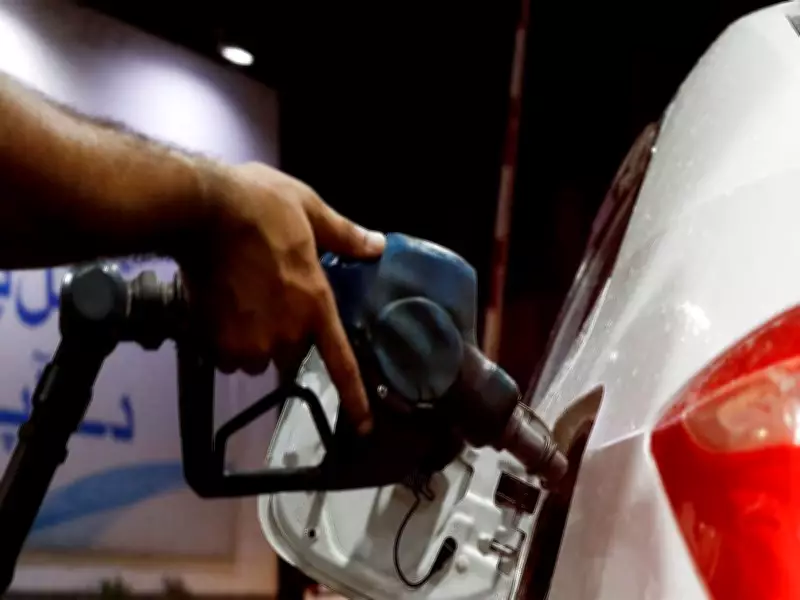
Fuel Price Surge Intensifies Inflation Crisis in Pakistan-Occupied Gilgit Baltistan
Residents of Pakistan-occupied Gilgit Baltistan are facing mounting economic challenges as a recent fuel price hike has triggered a severe inflation crisis, with many attributing their struggles to policies imposed by Islamabad. The region, already described as marginalized by locals, is grappling with escalating daily hardships without any significant relief measures in sight.
Ripple Effect on Essential Commodities
The surge in fuel prices has led to a sharp rise in transportation costs across PoGB, creating a domino effect on the prices of essential commodities. From food items to basic household necessities, the increasing expenses have placed a heavy strain on the finances of ordinary citizens, exacerbating their financial vulnerabilities.
Local journalist Feroz Shah highlighted the growing distress, emphasizing that imposing taxes in a disputed region is unjustified and disproportionately burdens the poorest sections of society. He noted that while taxes may seem to target businesses, the real impact is felt by consumers, as shopkeepers pass on the increased costs, further inflating the prices of daily necessities.

Allegations of Neglect and Exploitation
Residents allege that Pakistan has failed to curb inflation and continues to extract revenue from the region, worsening the economic crisis. According to locals, the prices of food and clothing have skyrocketed, leaving many struggling to afford even two meals a day. Families report being unable to purchase basic items such as clothing for their children, reflecting the severity of the financial strain.
Many in PoGB claim that economic decisions are being imposed without considering ground realities, with additional taxes and rising fuel costs disproportionately impacting the poor and making survival increasingly difficult. There are growing calls for authorities to intervene and implement measures to control inflation, including monitoring black marketing and ensuring that relief reaches those most affected.
Suppression of Dissent and Lack of Consultation
Locals further allege that key decisions affecting the region are made without public consultation, while voices of dissent are often suppressed. This has led to a sense of systemic neglect and economic exploitation, with many feeling left to bear the brunt of economic challenges alone. The situation underscores a broader pattern of marginalization and hardship in PoGB, as residents continue to voice their frustrations over Islamabad's policies.
As the inflation crisis deepens, the need for effective governance and responsive economic measures becomes increasingly urgent to alleviate the suffering of the people in Pakistan-occupied Gilgit Baltistan.






