

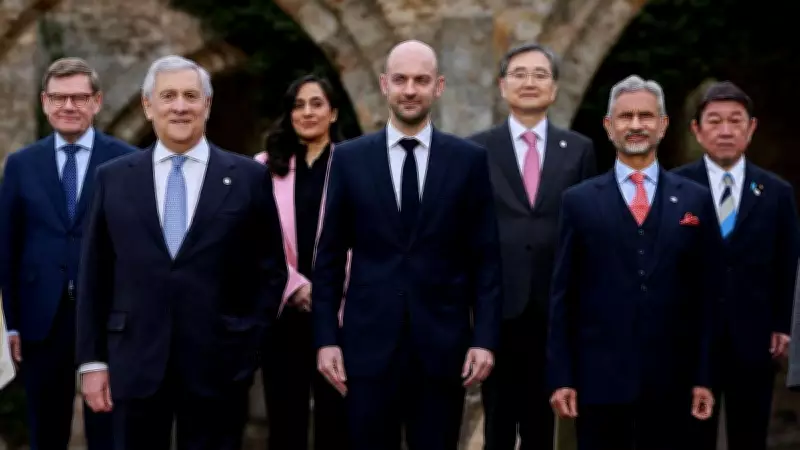
G7 Foreign Ministers Issue Urgent Call to End Civilian Attacks in Iran War
In a significant diplomatic move, the foreign ministers of the G7 nations have collectively demanded an immediate end to attacks targeting civilians in the ongoing war in Iran. This unified statement underscores the group's deep concern over the escalating violence and its devastating impact on innocent populations caught in the conflict.
Strong Condemnation of Civilian Casualties
The ministers, representing some of the world's most influential economies, expressed grave alarm at the rising number of civilian deaths and injuries resulting from the hostilities. They emphasized that such attacks are unacceptable and violate fundamental principles of international humanitarian law, which mandate the protection of non-combatants during armed conflicts.
In their declaration, the G7 officials highlighted the urgent need for all parties involved in the war to prioritize civilian safety and adhere to established norms of warfare. This includes avoiding indiscriminate strikes on residential areas, hospitals, schools, and other civilian infrastructure that are essential for daily life and survival.

Emphasis on Humanitarian Law and Accountability
The statement further called for strict compliance with international legal frameworks, such as the Geneva Conventions, which set out rules to minimize human suffering in times of war. The ministers warned that perpetrators of attacks on civilians must be held accountable for their actions, signaling a potential push for investigations or sanctions if the violence continues.
Additionally, the G7 urged all sides to facilitate humanitarian access, allowing aid organizations to deliver critical supplies like food, water, and medical assistance to affected communities. This appeal reflects growing global worries about a potential humanitarian crisis unfolding in the region as the conflict intensifies.
Broader Implications for Global Diplomacy
This collective stance by the G7—comprising Canada, France, Germany, Italy, Japan, the United Kingdom, and the United States—marks a notable moment in international diplomacy regarding the Iran war. It demonstrates a rare consensus among these major powers on the need to protect civilians, even as they may hold differing views on other aspects of the conflict.
The ministers' demand is seen as a step toward de-escalation, aiming to pressure warring factions to reconsider their tactics and reduce civilian harm. However, the effectiveness of this appeal remains uncertain, given the complex geopolitical dynamics and deep-seated tensions fueling the war.
In conclusion, the G7 foreign ministers' call for an end to attacks on civilians in the Iran war serves as a powerful reminder of the international community's responsibility to safeguard human lives during conflicts. As the situation evolves, the world will be watching closely to see if this diplomatic effort leads to tangible improvements on the ground.






