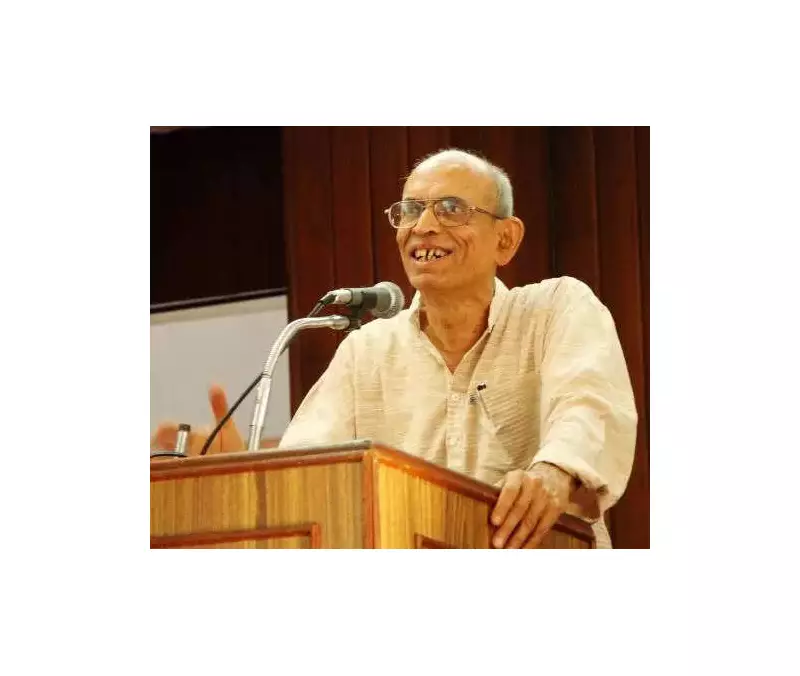
The Wayanad Prakrithi Samraksha Samithi (WPSS) has highlighted that the late renowned ecologist Madhav Gadgil was profoundly worried about the irrational and reckless development projects being pushed in the ecologically sensitive district of Wayanad. Gadgil passed away in Pune on Wednesday night, leaving behind a legacy of environmental advocacy.
Gadgil's Direct Engagement with Wayanad's Disasters
Recalling the ecologist's active interventions, WPSS president N Badusha stated that following the catastrophic Puthumala landslide in 2019, Gadgil personally visited Wayanad. He toured the disaster-stricken areas and spent time interacting with the affected victims. Badusha noted an interesting shift in public perception, mentioning that while massive protests had initially erupted in Wayanad against the Gadgil committee report, large crowds eventually gathered to listen to him during his visit.
"Later, when the Mundakkai–Chooralmala landslide disaster occurred, he attempted to visit Wayanad again but had to abandon the plan due to ill health," Badusha added, underscoring Gadgil's persistent commitment to the region.

Unheeded Warnings on Tunnel Project and Floods
One of the key projects Gadgil vocally opposed from the very beginning was the Meppadi–Anakkampoyil tunnel road project. He consistently warned that tunnel construction in the fragile Western Ghats terrain could trigger major disasters and urged the government to drop the initiative. However, his appeals found no receptive ears among the authorities.
The WPSS emphasized that Gadgil was a pioneering voice in identifying the root cause of Kerala's devastating floods. He was the first to openly state that these were not merely natural calamities but man-made disasters resulting from human actions and environmental negligence. "Although he had predicted such disasters well in advance and repeatedly issued warnings, society failed to heed them due to its blind pursuit of development," the forum stated.
A Legacy Beyond Flora and Fauna
Madhav Gadgil's work in the Western Ghats was noted for its holistic approach. The WPSS pointed out that his extensive travels and in-depth studies across the region covered not just its rich biodiversity and unique geological formations, but also focused on the people inhabiting the land.
"His concern and understanding extended beyond flora and fauna to include the many indigenous tribal communities and traditional farming communities spread across Western Ghats," the WPSS said. This human-centric ecological perspective marked him as a visionary who understood the intricate link between community welfare and environmental conservation.