Gaza Doctor Returns After 665 Days in Israeli Prison, Finds Healthcare System in Ruins
Dr. Ahmed Muhanna, a senior anaesthesiologist and emergency medicine specialist from Gaza, has returned home after spending 665 days in Israeli detention. He arrived earlier this year, hoping to reunite with his family and resume work at his hospital. Instead, he found a city reduced to rubble and a healthcare system teetering on the edge of collapse.
A Devastating Homecoming
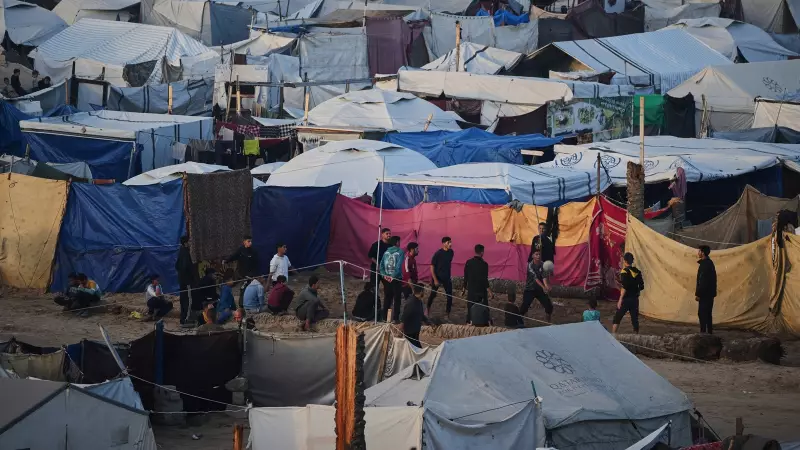
Dr. Muhanna was arrested in December 2023 while working at al-Awda Hospital, which was under siege at the time. After his release, he traveled back across the border into Gaza. The scale of destruction overwhelmed him. "When I saw what had happened to Gaza, I felt my chest tighten. Everything I remembered was gone," he said.
Upon returning to al-Awda Hospital, he discovered a facility stripped of staff, equipment, and medicines. According to reports, 75 of his colleagues from the hospital were killed during his detention. Across Gaza, the toll on medical workers has been severe. More than 1,200 Palestinian health professionals have been killed since the war began, with hundreds more detained.

Healthcare System Pushed to Breaking Point
Despite a ceasefire that remains formally in place, doctors warn that the healthcare system is being pushed to its limits. Disease, malnutrition, and a lack of essential treatment are exacerbating the crisis. "We are treating patients in a system that has been deliberately broken. People are dying not because their conditions are untreatable, but because we no longer have the tools to treat them," Dr. Muhanna explained.
International agencies highlight the severity of Gaza's humanitarian crisis. The World Health Organization estimates that over three-quarters of the population, including around 100,000 children, face acute food insecurity. Doctors report a surge in severely malnourished children arriving at hospitals with weakened immune systems, organ failure, and life-threatening infections.
Critical Shortages and Infrastructure Damage
The situation is dire due to extensive damage to medical infrastructure. According to the UN human rights office, 94 percent of Gaza's hospitals have been damaged or destroyed during the war. This leaves newborn babies, cancer patients, and people with chronic illnesses particularly vulnerable. "There is no margin left in this system. Every shortage becomes a death sentence," said Dr. Muhanna.
One of the most alarming consequences is the loss of advanced diagnostic and treatment tools. Dr. Muhanna notes that there is not a single functioning MRI scanner in Gaza and only one working CT scanner. Dialysis machines are scarce, leading to increasing deaths from kidney failure. Cancer patients cannot receive chemotherapy or radiation, allowing tumors to spread unchecked.
Humanitarian Aid Under Threat
The crisis is expected to deepen further after Israel announced plans to revoke the operating licenses of dozens of international aid organizations working in Gaza and the occupied West Bank. Major medical charities like Médecins Sans Frontières, which have played a critical role in sustaining Gaza's hospitals, are among those affected.
Human rights groups and UN investigators have accused Israel of systematically dismantling Gaza's healthcare system and blocking humanitarian aid. A UN commission has suggested that Israel's actions may amount to genocide, citing the destruction of hospitals and restrictions on food, medicine, and fuel. Israeli authorities deny these accusations, stating that their military actions target Hamas and that aid restrictions are based on security concerns.
A Stark Reality for Medical Professionals
For doctors like Dr. Muhanna, political arguments feel distant from the daily reality inside Gaza's wards. "We are watching patients die from infections, dehydration, cancer, and kidney failure because we do not have what we need to treat them. This is not a natural disaster. This is a man-made collapse of healthcare," he emphasized.
The ongoing emergency underscores the urgent need for medical supplies and international support to prevent further loss of life in Gaza.