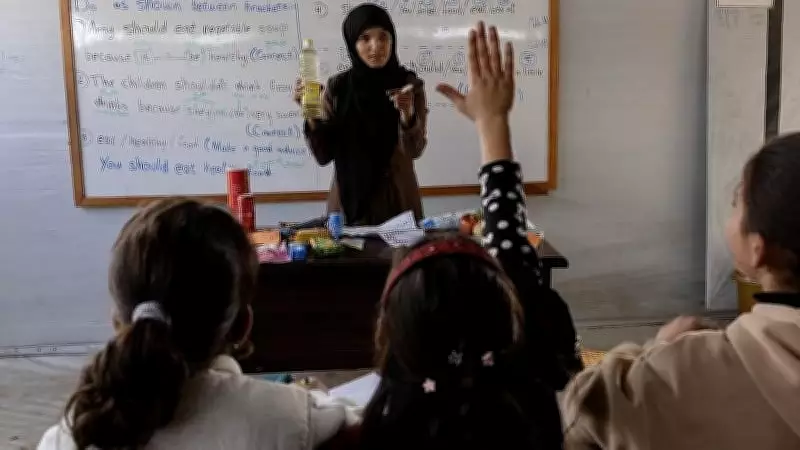
Gaza Schools Introduce 'Peace Building' into Educational Curriculum
In a significant development within the Gaza Strip, several schools have begun incorporating 'peace building' as a formal part of their curriculum. This initiative aims to foster dialogue and understanding among students, focusing on conflict resolution and mutual respect. The move comes at a time when educational materials in the region are under intense scrutiny from international bodies.
International Criticism of Palestinian Textbooks
Israel, the United States, and the European Union have consistently raised concerns over the content of textbooks used by the Palestinian Authority. These nations argue that the educational materials promote hatred and antisemitism, potentially undermining peace efforts in the region. The criticism has been a longstanding issue, with calls for curriculum reforms to align with international standards of tolerance and coexistence.
The introduction of 'peace building' modules is seen by some as a response to these allegations, though it remains unclear if it directly addresses the specific complaints about textbook content. Educators in Gaza emphasize that the new curriculum components are designed to equip students with skills for peaceful interaction and critical thinking, independent of political narratives.

Details of the Peace Building Initiative
The 'peace building' curriculum includes activities such as group discussions, role-playing exercises, and lessons on human rights and cultural diversity. It is implemented in select schools across Gaza, with plans for potential expansion based on feedback and outcomes. Proponents highlight that this approach could help reduce tensions and build a foundation for future generations to engage constructively in regional affairs.
However, skeptics question the effectiveness of such programs amidst ongoing geopolitical conflicts and the broader context of disputed educational materials. The debate underscores the complex interplay between education, politics, and international relations in conflict zones like Gaza.
As of February 2026, the initiative is in its early stages, with monitoring and evaluation expected to assess its impact on student attitudes and community relations. The development adds a new layer to the ongoing discourse on how education can contribute to peace or perpetuate divisions in the Middle East.