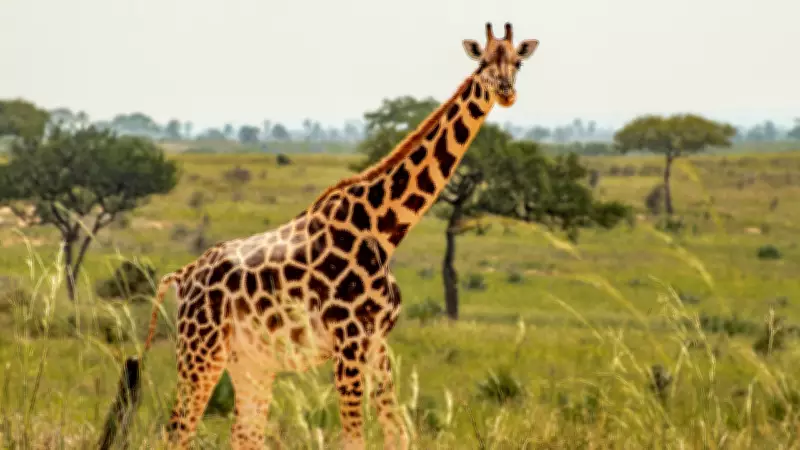
Giraffe Horns: The Surprising Role of Ossicones in Mating and Defense
One of the most recognizable animals globally, the giraffe stands out with its long neck, distinctive markings, and towering height. However, many people are unaware of the fascinating details about its horns, which are not just for show but serve multiple essential functions in the animal's life.
Giraffe Horns Explained: What Are Ossicones and How Do They Change with Age?
Unlike the horns of other animals, giraffe horns are called ossicones because they are composed of bone and covered with skin and hair. These structures begin as small, soft lumps on a giraffe's head shortly after birth. As the giraffe matures, these lumps harden into bony horns that remain permanently attached, never falling off or regrowing throughout the animal's lifetime.
Furthermore, the appearance of ossicones varies significantly between males and females. Typically, male giraffes possess larger and more prominent ossicones compared to females, making this feature a reliable indicator for distinguishing between the genders. This sexual dimorphism highlights the evolutionary adaptations that have shaped giraffe anatomy over time.

Giraffe Horns and Mating Behavior
According to research in Developmental and Evolutionary Skeletal Biology, ossicones play a critical role in the mating rituals of giraffes. During a behavior known as "necking," male giraffes engage in intense battles to win the attention of females. They swing their necks like pendulums, using their heads and ossicones to strike opponents, often targeting the neck area. These powerful blows can cause significant damage, demonstrating the male's strength and dominance.
A study titled 'Sociosexual behaviour, male mating tactics, and the reproductive cycle of giraffe Giraffa camelopardalis' indicates that these necking fights not only showcase fighting ability but also test stamina. The male that endures the longest is typically declared the winner, earning the opportunity to mate. This process ensures that the fittest and most resilient males pass on their genes, contributing to the species' survival.
Protective Role of Ossicones
Beyond their function in courtship, ossicones serve as a vital defense mechanism for giraffes. While not as formidable as the horns or antlers of some other species, they provide a layer of protection during confrontations with predators. When threatened by animals such as lions, giraffes use their heads to deliver violent strikes, with the ossicones cushioning the impact to prevent skull injuries.
Additionally, ossicones offer advantages in conflicts with other herbivorous animals. The sheer size of a giraffe's head, accentuated by these horns, can intimidate and deter potential rivals, helping to avoid physical altercations. This dual-purpose utility underscores the importance of ossicones in both social interactions and survival strategies.
The unique structure and functionality of giraffe horns are a testament to the complexity of nature. Whether employed in fierce mating battles or as defensive tools, these ossicones are indispensable to the giraffe's existence, proving that every feature in the animal kingdom has a purpose. Their role in dominance displays, mating success, and predator defense highlights the intricate balance of evolutionary adaptations that enable giraffes to thrive in their environments.