

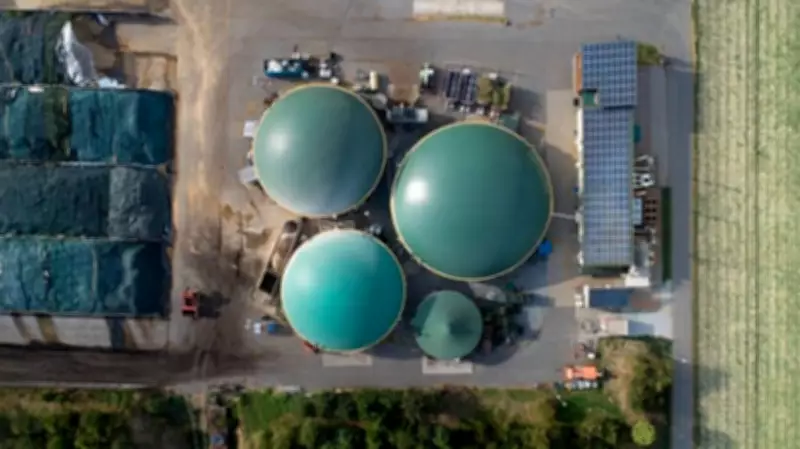
Goa Village Demonstrates Innovative Waste-to-Gas Solution for Sustainable Energy
In a remarkable example of grassroots innovation, a village in Goa has successfully implemented a waste-to-gas solution that transforms cow dung into a reliable source of cooking fuel. This initiative not only addresses waste management challenges but also provides a sustainable alternative to traditional energy sources, highlighting the potential for local communities to lead in environmental stewardship.
Daily Processing and Production Metrics
The facility at the heart of this project processes an impressive nearly 5,000 kilograms of cow dung each day. Through advanced biogas technology, this organic waste is converted into approximately 130 cubic metres of biogas. This substantial output is directly utilized for daily cooking needs, reducing dependence on conventional fuels like liquefied petroleum gas (LPG) or firewood.
Environmental and Social Benefits
This waste-to-gas model offers multiple advantages. Environmentally, it helps mitigate methane emissions from decomposing dung, a potent greenhouse gas, while promoting cleaner combustion compared to fossil fuels. Socially, it enhances energy security for villagers, potentially lowering cooking costs and improving indoor air quality by replacing smoky fuels. The project serves as a scalable blueprint for other rural areas grappling with similar waste and energy issues.

Broader Implications and Future Prospects
As global attention shifts towards renewable energy and waste reduction, this Goa village's success underscores the viability of decentralized, community-driven solutions. It aligns with India's broader goals under initiatives like the National Biogas and Manure Management Programme, encouraging adoption of such technologies nationwide. Experts suggest that expanding similar facilities could significantly contribute to rural development and climate action efforts.
Reported by Mrityunjay Bose and last updated on April 5, 2026, this story exemplifies how local ingenuity can pave the way for sustainable practices, turning everyday waste into a valuable resource for cooking and beyond.






