

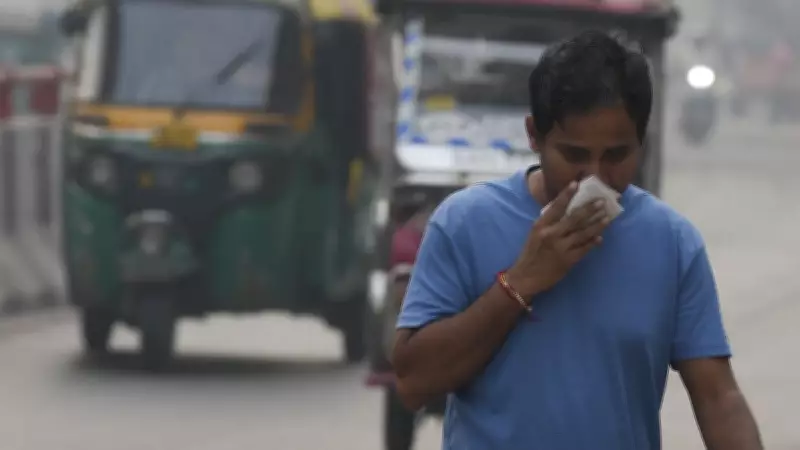
The Commission for Air Quality Management (CAQM) has imposed Stage I of the Graded Response Action Plan (GRAP-1) in Delhi-NCR after the region's air quality deteriorated to the 'poor' category. The decision comes as the Air Quality Index (AQI) crossed the 200 mark, prompting immediate preventive measures to curb further degradation.
Key Restrictions Under GRAP-1
Under GRAP-1, several restrictions are enforced to control pollution sources. The use of coal and firewood as fuel in tandoors at hotels, restaurants, and open eateries is strictly prohibited. Additionally, diesel generator sets are allowed to operate only in emergency or essential situations, such as for hospitals, elevators, and water supply. Authorities have been directed to ensure strict compliance across the National Capital Region.
Why GRAP-1 Was Triggered
The AQI in Delhi-NCR slipped from 'moderate' to 'poor' due to a combination of factors, including stagnant wind conditions, low temperatures, and increased emissions from local sources. The CAQM's proactive approach aims to prevent the situation from worsening into 'severe' or 'very poor' categories, which would trigger stricter GRAP stages.

What Citizens Should Know
- No coal or wood-fired tandoors in commercial establishments; violators face penalties.
- Diesel generators are banned except for critical services; regular power supply should be used instead.
- Construction and demolition activities remain unrestricted at this stage, but dust control measures must be followed.
Monitoring and Enforcement
Pollution control boards and local authorities have been instructed to intensify inspections and penalize non-compliance. Citizens are encouraged to report violations through the CAQM's helpline. The situation will be reviewed daily, and further measures may be implemented if the AQI continues to rise.






