

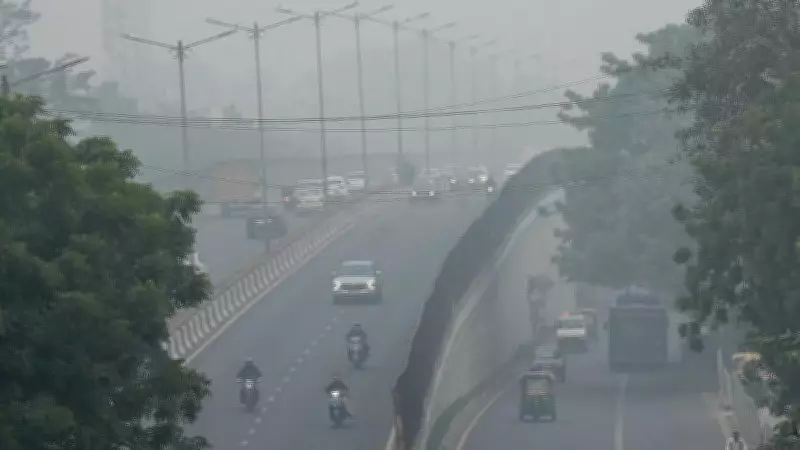
GRAP Stage-1 Measures Activated Across Delhi-NCR as Air Quality Declines
The Commission for Air Quality Management (CAQM) has taken decisive action by implementing Stage-1 of the Graded Response Action Plan (GRAP) throughout the entire National Capital Region. This immediate enforcement comes in response to air quality levels slipping into the 'Poor' category, signaling growing concerns over pollution in the area.
Official Announcement and Immediate Implementation
According to official statements, the sub-committee of the CAQM made the decision to invoke all measures outlined under Stage-1 of the GRAP framework. This decision was taken with immediate effect, highlighting the urgency of addressing the deteriorating air conditions. The move underscores the regulatory body's proactive approach to managing air quality before it escalates to more severe categories.
Understanding GRAP and Its Implications
The Graded Response Action Plan is a structured set of anti-pollution measures designed to be implemented in phases based on air quality levels. Stage-1, which corresponds to 'Poor' air quality, typically includes actions such as:

- Increased vigilance and enforcement of dust control measures at construction sites.
- Enhanced monitoring of industrial emissions to ensure compliance with norms.
- Public awareness campaigns to encourage reduced vehicle usage and other pollution-mitigating behaviors.
- Stricter checks on waste burning and other local sources of pollution.
These measures aim to curb further deterioration and protect public health, especially for vulnerable groups like children, the elderly, and those with respiratory conditions.
Context and Broader Impact
Delhi-NCR has long grappled with air pollution issues, particularly during certain seasons when factors like stubble burning, vehicular emissions, and industrial activities converge. The activation of GRAP Stage-1 serves as an early warning system, potentially preventing more severe restrictions if air quality continues to decline. Residents and businesses in the region are advised to stay informed about the specific guidelines and contribute to collective efforts to improve air quality.
As of the latest update on April 16, 2026, authorities continue to monitor the situation closely, with further actions under GRAP stages possible depending on future air quality readings. This development highlights the ongoing challenges in managing urban air pollution and the importance of coordinated regulatory responses.






