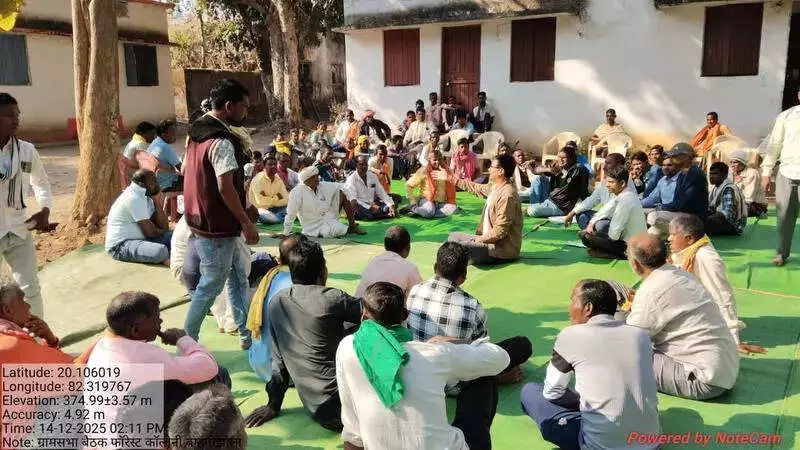
In a remarkable display of community-led environmental action, residents from 17 villages nestled inside the core area of the Udanti–Sitanadi Tiger Reserve (USTR) in Gariaband district have launched a united front to save the wild buffalo, the state animal of Chhattisgarh. This endangered mega-herbivore, once common across central India, now clings to survival, with this reserve holding one of its last confirmed populations.
A Turning Point for People-Led Conservation
The movement gained formal momentum on December 14, when representatives from the 17 gram sabhas convened a crucial meeting. Attended by 57 community members, including former sarpanches, village leaders, and NGOs, the gathering marked a pivotal shift towards collective stewardship. The villagers made significant pledges to aid the buffalo's recovery, including curbing man-made forest fires, stopping illegal tree felling, and voluntarily vacating encroached forest land to restore critical wildlife habitats.
USTR deputy director Varun Jain emphasized that the survival of the species is intrinsically linked to the ecological identity of Chhattisgarh. The reserve is home to the region's only confirmed pure wild buffalo, a 26-year-old male affectionately known as Chhotu. This community initiative breathes new life into conservation efforts that began with a breeding centre in USTR back in 2006.

Science and Security: A Multi-Pronged Revival Strategy
Encouraged by successful translocations elsewhere in the state, the Forest Department is preparing a genetically vital move. Following the successful transfer of buffaloes from Assam's Manas National Park to Barnawapara Wildlife Sanctuary in 2020 and 2023—where the population has now grown to 11—three female buffaloes will be moved from Barnawapara to USTR. This aims to prevent inbreeding in the Udanti population. After a 45-day quarantine and being fitted with radio collars, the animals will be released under the supervision of the Wildlife Institute of India and the National Tiger Conservation Authority.
Ecologists highlight the wild buffalo's role as a keystone species. Its grazing patterns maintain grassland health, benefit other herbivores like deer, and help sustain wetland ecosystems due to its dependence on water bodies. To welcome the species back, USTR has undertaken extensive habitat restoration:
- Restoration of grasslands and removal of invasive weeds.
- Creation of solar-powered water holes.
- Clearing of nearly 750 hectares of encroached land.
- Strengthening of anti-poaching measures.
Technology and Community: The Pillars of Protection
The reserve plans to employ innovative tools like the Elephant Alert App to track buffalo movement and deploy Van Bhainsa Mitra Dal (Forest Buffalo Friend Groups) for foot patrols. An online portal will also be launched to ensure quick settlement of compensation for crop and cattle loss within 30 days, addressing a key source of human-wildlife conflict.
Community leaders are clear about their role. Arjun Singh Nayak, President of the Gram Sabha Federation in USTR, stated that local communities bear a responsibility to protect their state animal. Efforts are underway to create awareness among villagers who graze domestic cattle in buffalo habitats. Sahebin Shyamlal, sarpanch of Karlajhar, confirmed that village-level committees have been formed to ensure the reserve's wildlife remains protected.
While USTR is a focal point, Indravati National Park in Bijapur district is believed to shelter around 15 of the nearly 20 wild buffaloes left in Chhattisgarh. Forest officials stress that restoring lasting peace in the Bastar region is crucial for safeguarding this fragile population. Listed as Endangered on the IUCN Red List, the future of the wild buffalo in Chhattisgarh now hinges on this rare, powerful alliance of community commitment, scientific management, and improved security.