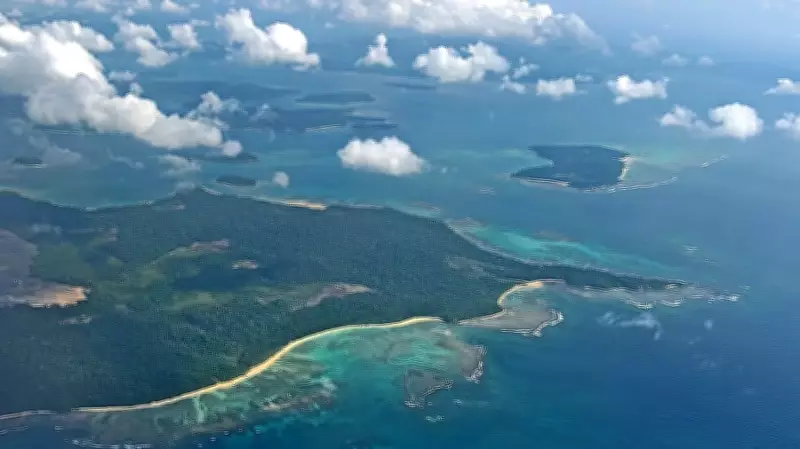
The Great Nicobar Island project, a massive infrastructure initiative, has sparked intense debate over the trade-offs between development and environmental preservation. Situated in the Andaman and Nicobar archipelago, the project envisions transforming the island into a major hub for tourism, trade, and defense. However, critics warn that the scale of construction could irreversibly damage one of India's most pristine ecosystems.
Project Overview and Objectives
The project includes the development of a new international airport, a transshipment port, a power plant, and a township to support these facilities. Proponents argue that it will boost economic growth, create jobs, and enhance India's strategic presence in the region. The government has framed it as a key component of the Act East policy, aiming to integrate the islands with Southeast Asian economies.
Economic and Strategic Benefits
Supporters highlight the potential for increased trade and tourism. The transshipment port could handle large cargo vessels, reducing reliance on foreign ports. The airport would improve connectivity, attracting tourists and facilitating defense operations. These developments are expected to generate significant revenue and employment opportunities for local communities.

Environmental and Social Concerns
Environmentalists and indigenous groups have raised alarms about the project's impact. The island is home to unique biodiversity, including coral reefs, rainforests, and endangered species like the Nicobar megapode and leatherback turtles. Construction could lead to habitat destruction, pollution, and increased carbon emissions.
Impact on Indigenous Communities
The Shompen and Nicobarese tribes, who have lived on the island for centuries, face displacement and cultural disruption. Their traditional livelihoods—fishing, hunting, and gathering—could be undermined by large-scale development. Activists argue that the project violates the rights of indigenous peoples under national and international law.
Cost-Benefit Analysis and Sustainability
The debate centers on whether the economic gains justify the environmental and social costs. Some experts suggest that alternative, less destructive development models could achieve similar benefits. For instance, eco-tourism and small-scale sustainable infrastructure might preserve the island's natural heritage while still providing economic opportunities.
Long-Term Implications
The project's scale raises questions about long-term sustainability. Rising sea levels due to climate change could threaten coastal infrastructure. Moreover, the influx of workers and tourists may strain local resources and exacerbate waste management challenges. Critics fear that the project could set a precedent for similar large-scale developments in other ecologically sensitive areas.
In conclusion, the Great Nicobar project represents a classic dilemma between development and conservation. While it promises economic and strategic gains, the potential environmental and social costs are substantial. A balanced approach, incorporating rigorous environmental impact assessments, community consent, and sustainable design, is crucial to mitigate risks and ensure that progress does not come at an unacceptable price.