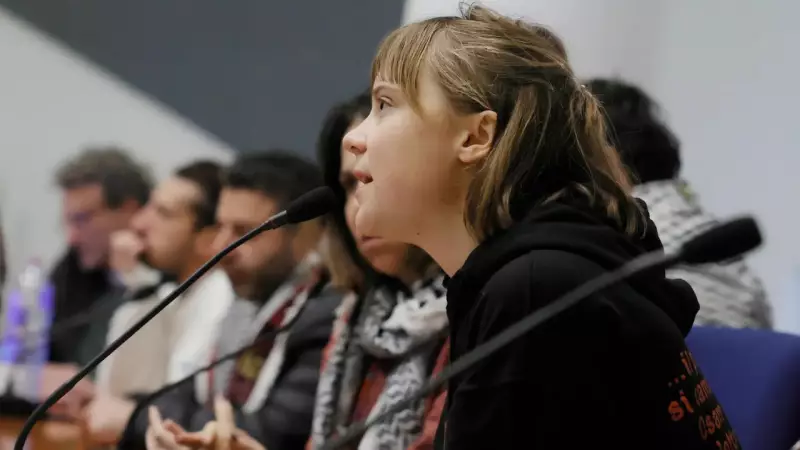
Prominent Swedish climate campaigner Greta Thunberg found herself in police custody in London on Tuesday. The arrest occurred while she was participating in a demonstration expressing solidarity with Palestine, as confirmed by UK-based campaigners.
Details of the Arrest and Protest
British police officers detained Thunberg during a gathering named the 'Prisoners for Palestine' protest. The event was taking place outside the London offices of Aspen Insurance. According to information shared by the UK campaign group Defend Our Juries and reported by Reuters, the authorities invoked the Terrorism Act to make the arrest. The specific circumstances leading to the use of this particular law were not immediately detailed in the initial reports.
Context and Immediate Reactions
The detention of a globally recognised figure like Greta Thunberg has swiftly drawn international attention to the ongoing protests in London. Thunberg, who initially gained fame for her solo school strikes for climate action, has in recent times broadened her activism to include other social justice causes. Her presence at this pro-Palestinian rally underscores this shift. The group Defend Our Juries, which reported the incident, is known for its advocacy work on legal and protest-related issues in the United Kingdom.

Broader Implications and Legal Framework
The use of the Terrorism Act 2000 for arrests during public demonstrations is a point of significant legal and political discussion in the UK. The act grants police extensive powers, and its application in protest scenarios often leads to debate about the balance between national security and the right to peaceful assembly. This incident involving a high-profile activist is likely to intensify that debate. The aftermath of Tuesday's events and any potential charges against Thunberg or other protesters remain to be seen, as authorities have yet to release an official comprehensive statement.
This development marks another chapter where environmental and geopolitical activism intersect on the global stage, highlighting the interconnected nature of modern protest movements.