

Gurgaon Pioneers Haryana's First Dedicated Wildlife Taxidermy and Preservation Facility
The forest department in Gurgaon is establishing a groundbreaking taxidermy and wildlife preservation center, marking Haryana's first specialized facility for the scientific conservation and exhibition of animal specimens. This innovative initiative represents a significant advancement in the state's approach to handling wildlife remains, transitioning from traditional disposal methods to educational and research-oriented preservation.
Infrastructure Development and Operational Timeline
Basic infrastructure is already installed at the Gurgaon site, with additional facilities being systematically developed in multiple phases. According to official statements, the center is projected to become fully operational by the conclusion of this month. The facility currently features one cold storage unit measuring approximately six to seven feet in length, capable of maintaining temperatures as low as minus ten degrees Celsius. This unit enables the secure storage of carcasses pending post-mortem examinations or taxidermy procedures.
Initial Specimens and Preservation Work
The center has already prepared two leopard taxidermy specimens, demonstrating its early capabilities. One leopard originated from Gurgaon, having perished last year after a vehicular collision on the Faridabad-Gurgaon roadway. The second specimen was sourced from Samalkha in Panipat. Officials are currently engaged in preserving a hyena carcass, highlighting the center's active conservation efforts. At present, the facility operates with a single freezer unit, deemed sufficiently large for safe body preservation, while staffing arrangements, including the recruitment of trained taxidermists, are still being finalized.

Transformative Shift in Wildlife Carcass Management
Chief Wildlife Conservator for South Haryana, Subhash Yadav, emphasized that this center signifies a fundamental transformation in the state's management of wildlife remains. Historically, animal bodies were routinely incinerated following post-mortem analyses. The new establishment will instead preserve selected carcasses for scientific investigation, educational initiatives, and public awareness campaigns. This strategic change addresses the escalating incidents of wildlife mortality across Haryana, attributed to road accidents, territorial disputes, and heightened human-animal interactions.
Scientific and Educational Objectives
The scientific preservation of chosen carcasses will facilitate the creation of a formal reference library, supporting detailed studies of anatomy, disease patterns, and injury causation. This resource will prove invaluable for researchers, veterinary students, and forest department personnel. Additionally, the center is anticipated to enhance documentation of regional fauna and bolster training and awareness programs related to wildlife conservation and conflict mitigation.
Facility Layout and Display Components
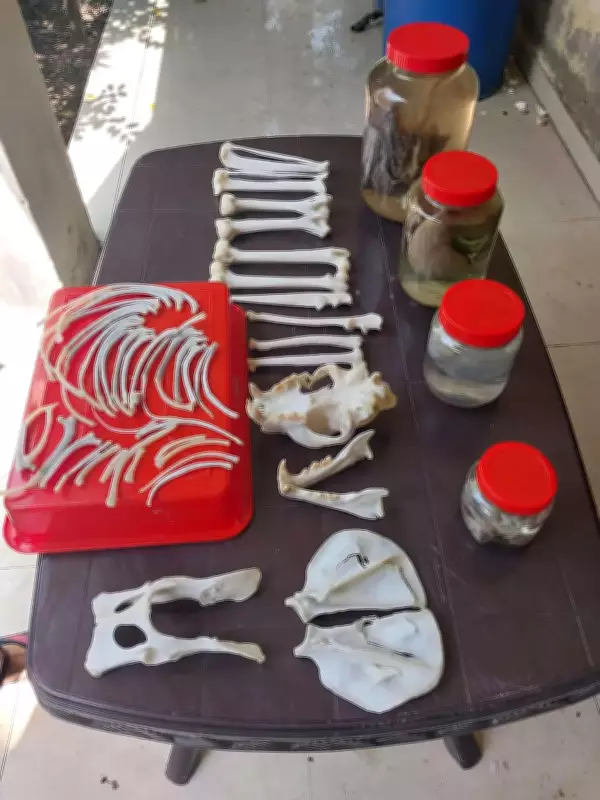
The preservation center will encompass multiple functional areas, including two expansive halls, a smaller modified hall, a research office, staff accommodations, and a dedicated post-mortem room. Exhibits will feature mounted leopard skins, meticulously cleaned skeletal remains such as ribs, limb bones, and skulls, along with organs preserved in jars for anatomical education. Access to the facility will be restricted to researchers and students, ensuring it serves strictly scientific and academic purposes.
Future Expansion and Capacity Assessment
The exact capacity for storing multiple carcasses or specimens is under evaluation as infrastructure development progresses incrementally. Yadav confirmed plans to extend similar facilities to other locations, including Sultanpur National Park, Bhondsi, and an upcoming safari project, indicating a broader vision for wildlife preservation across Haryana.






