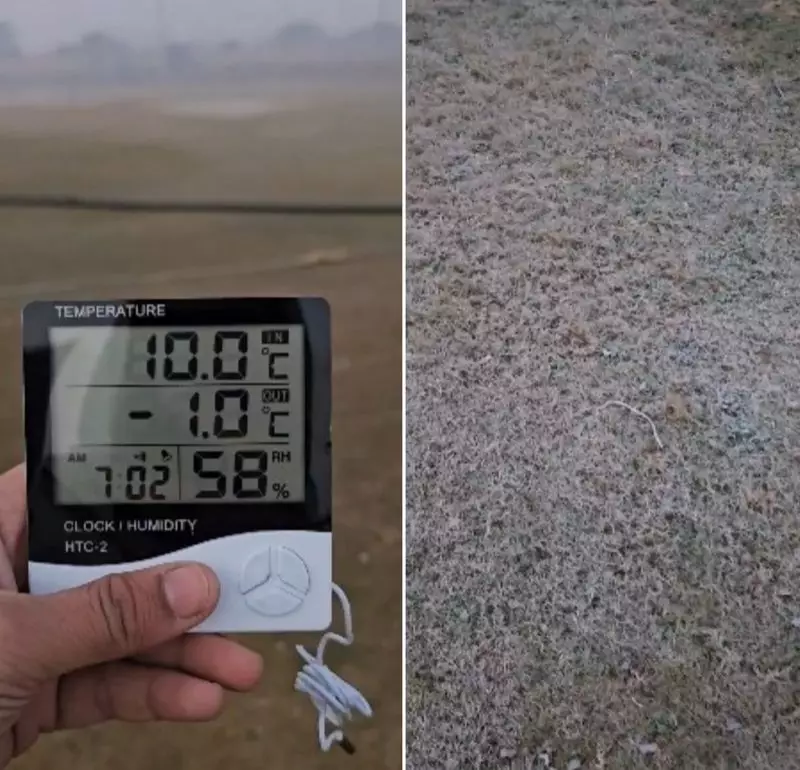
Residents of Gurgaon woke up to an exceptionally harsh winter morning on Tuesday, as the city's outskirts recorded a piercing low of 1 degree Celsius, plunging into sub-zero territory. This severe cold snap marks one of the chilliest January days the National Capital Region (NCR) has witnessed in recent years, disrupting daily life and prompting authorities to issue warnings.
Record-Breaking Chill Grips the Millennium City
According to data from the India Meteorological Department (IMD), the mercury dipped dramatically in the early hours of January 16. While the main city area recorded a minimum of 3.5 degrees Celsius, the real bite of the cold wave was felt in the suburban and peripheral zones. The 1°C reading was logged in areas like Manesar and other outskirts, signifying a intense and localized cold wave event. This temperature is significantly below the normal range for this time of the year and has been attributed to clear skies and calm winds, which allowed for maximum radiative cooling overnight.
Life Disrupted and Health Warnings Issued
The sudden and severe drop in temperature has had an immediate impact on the daily rhythm of the city. Commuters faced a tough start as dense fog reduced visibility, leading to traffic snarls on key highways and roads connecting Gurgaon to Delhi. The vulnerable populations, including the homeless, daily wage workers, and the elderly, are at heightened risk. Medical experts and the IMD have issued advisories, urging people to:

- Wear multiple layers of warm clothing when venturing outside.
- Limit early morning and late evening outdoor activities.
- Stay hydrated and consume warm fluids.
- Be vigilant for symptoms of hypothermia and frostbite, especially in children.
Local authorities have also been advised to set up night shelters and provide relief measures to protect those exposed to the elements.
Broader Cold Wave Context for North India
Gurgaon's deep freeze is not an isolated incident but part of a larger cold wave pattern gripping the plains of North India. Neighboring Delhi also experienced a severe cold day, with the minimum temperature settling at 3.9 degrees Celsius. The IMD has forecast that similar cold to severe cold day conditions are likely to continue over many parts of Punjab, Haryana, Chandigarh, Delhi, and Uttar Pradesh for the next few days. However, a slight moderation in the cold wave intensity is predicted from January 18th onwards due to a change in wind patterns. Residents are advised to stay updated with the latest weather bulletins.
This extreme weather event underscores the disruptive power of winter cold waves in North India, affecting millions and challenging civic infrastructure. While the cold is expected to ease slightly later in the week, the current conditions demand caution and preparedness from all citizens to ensure health and safety during this challenging period.