

Gurgaon: Every time there is a heatwave, the Bird Charity Hospital knows what to expect -- dozens of dehydrated and injured birds that have collapsed from the sky. This summer, what has caught veterinarians by surprise is how the birds are arriving.
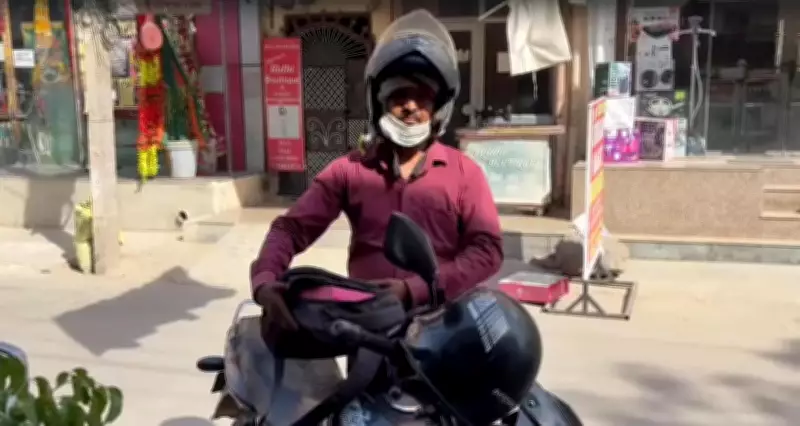
Residents spotting birds in distress are using app-based delivery services like Porter to send them for urgent medical care, turning personnel accustomed to running errands into unexpected participants in the city's evidently growing bird rescue network. On average, seven to eight birds have been reaching the hospital each day in perforated cardboard boxes handed over by delivery personnel.
Residents place the birds in these boxes after lining them with soft cloth and punching holes for ventilation. They then book small parcel deliveries on apps like Porter to the hospital at Sadar Bazar.

The hospital is currently receiving over 30 birds every day, including pigeons, doves, parrots, bulbuls, mynas, kites, owls, and peacocks. Parayni Madan recently used this method after finding a pigeon chick that had fallen out of its nest. "It was on the road near our house. Since we could not immediately go to the hospital, we sent the pigeon through Porter," Madan said.
Hospital staff note that many bird rescuers feel unable to travel long distances in the extreme heat, and app-based transport services have become a quick way to ensure the birds receive the treatment they require. App users inform the rider that the box contains an injured bird; in many cases, they call the hospital beforehand to let them know it is arriving via Porter.
App policies only restrict dangerous, illegal, or hazardous items. There are no specific rules against live cargo.
"Some common health issues are dehydration, diarrhoea, paralysis, loss of appetite, asthma, skin and eye infections, as well as coryza, which affects the lungs. These are all related to extreme heat," says Raj Kumar, a veterinary physician at the hospital. He adds, "We receive calls every summer, but this time it has been particularly bad."
Doctors say the birds are being treated with antibiotics, eye drops, and rehydration support. Kumar advises residents to put water in bowls on their balconies and rooftops. "Those feeding birds should soak the grain in water for a few hours first," he says.
Veterinarians recommend that distressed birds be placed in shaded areas, offered water or ORS solution, and put in properly ventilated boxes if being transported.
India's laws regulate the handling and transport of wild birds, especially protected species covered under the Wildlife (Protection) Act, 1972. DFO (Wildlife), Gurgaon, RK Jangra says, however, that in emergency rescue situations, "the priority is immediate care and survival."
Jangra explains, "In cases linked to heatwave distress, the first step should be medical attention. Injured or dehydrated birds can be transported to veterinarians or rescue facilities for treatment, and residents should inform the forest department afterwards."






