Haryana's Satellite Crackdown Aims to End Wheat Stubble Burning by 2027
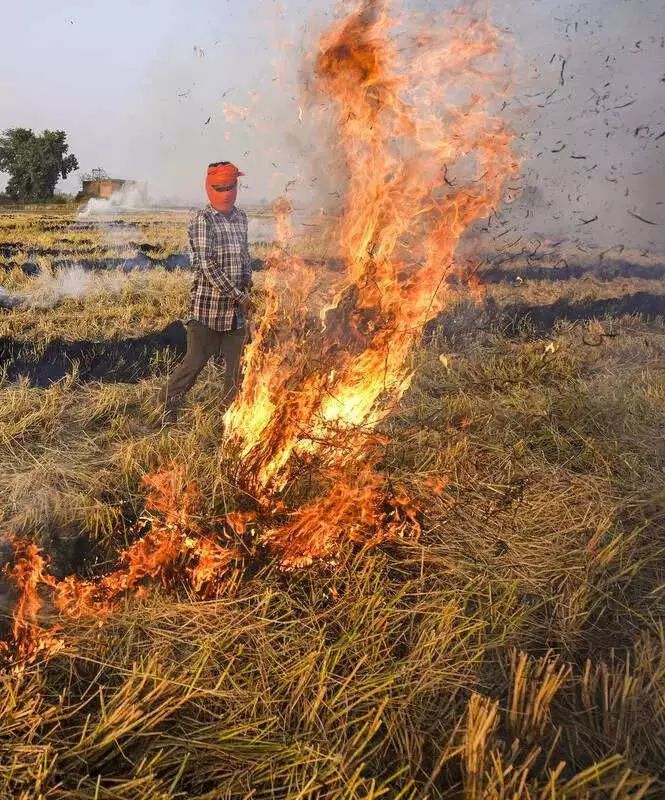
Haryana has cooled the fires of the paddy season. Now, the state is determined not to get burned by the wheat harvest. Following years of seasonal smog and environmental pressure, Haryana has unveiled an aggressive roadmap. The goal is to eliminate wheat stubble burning completely by the 2026-27 season.
A Comprehensive State Action Plan
The agriculture and farmers' welfare department prepared a comprehensive State Action Plan. This plan introduces micro-level satellite tracking and "red-entry" legal penalties. These measures aim to solve a persistent pollution crisis that shadows India's agricultural heartland.
The Shifting Battlefield of Crop Residue
The burning of paddy residue often dominates international headlines. It impacts air quality in nearby Delhi. However, wheat stubble presents a different set of challenges.

Wheat covers about 1.88 million hectares in Haryana. This is nearly half of the state's winter crop area. For the 2025-26 season, officials estimate the state will produce 9.55 million tonnes of wheat. This will generate 8.64 million tonnes of straw.
Unlike rice straw, wheat straw is a prized commodity for cattle fodder. Rice straw is high in silica and difficult for animals to digest. This difference makes wheat residue management unique.
The Satellite Strike Strategy
The new strategy relies on data-driven enforcement rather than broad mandates. The government uses satellite-derived active fire location data. It has categorised villages into three tiers.
- Red zones: High-risk areas requiring immediate enforcement.
- Yellow zones: Areas of moderate risk requiring targeted awareness.
- Green zones: Areas with zero reported incidents.
This approach is already showing results. Between 2024 and 2025, the number of "red zone" villages plummeted from 102 to 44. Real-time alerts will now be beamed directly to "flying squads" on the ground. These squads will extinguish fires and penalize offenders instantly.
Carrot and Stick Approach
The government is balancing industrial incentives with harsh legal consequences. This aims to move the needle on the remaining 2% of unmanaged straw.
The plan promotes "ex-situ" management. It diverts excess straw to biogas plants, paper packaging units, and bio-composite construction materials. For smaller farms, the state is subsidizing low-cost alternatives. These include vermicomposting and mulching for horticulture.
Under the Air Act of 1981, the penalties are significant. They include fines, blacklisting, and criminal charges. Environmental compensation charges range from Rs 5,000 to 30,000.
Violators face "red entries" in official land records. This can ban them from selling crops at government markets for up to two seasons. The pollution control board is authorised to file formal police reports against repeat offenders.
The Path to 2027
Fluctuations in burning incidents highlight the fragility of progress. There was a spike in 2024 before a 42% drop in 2025. Officials attribute sporadic burning to labor shortages and mechanized harvesting. This leaves behind shorter, harder-to-collect stubble.
By integrating industrial demand with satellite-backed policing, Haryana aims to prove a point. The "breadbasket state" can feed the nation without choking its skies.