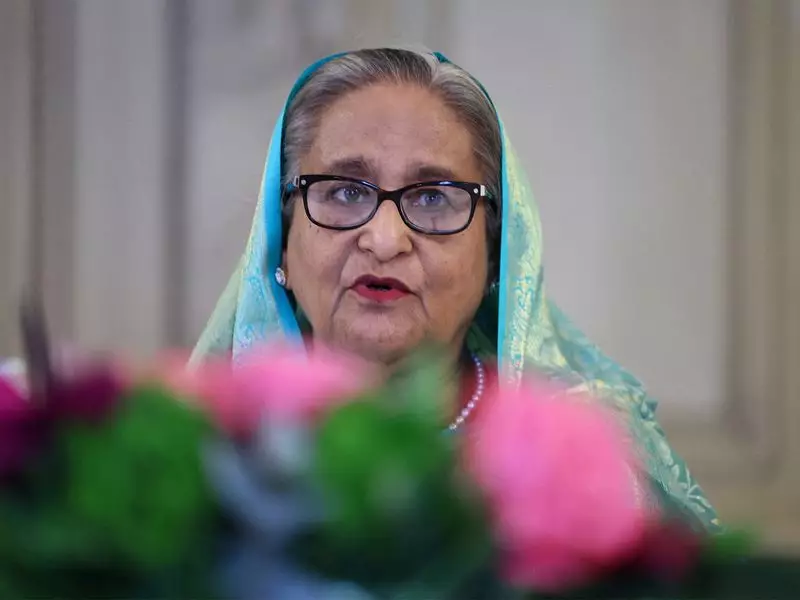
Hasina Accuses Yunus Regime of Bartering Bangladesh to Foreign Interests
In a dramatic political development, Bangladesh Prime Minister Sheikh Hasina has launched a scathing attack on the Yunus regime, accusing it of bartering the nation to foreign interests. This accusation comes amid escalating political tensions in Bangladesh, with Hasina calling for the overthrow of the regime she claims has compromised national sovereignty.
Allegations of Foreign Influence and National Betrayal
Sheikh Hasina, a central figure in Bangladeshi politics, has alleged that the Yunus regime engaged in activities that effectively traded Bangladesh's autonomy to external powers. She described this as a form of bartering, where the regime allegedly sacrificed the country's interests for foreign support or gains. This accusation is part of a broader narrative of political conflict in Bangladesh, where issues of governance and sovereignty are hotly contested.
Hasina's call for overthrow is not just a political statement but a rallying cry for her supporters, emphasizing the need to reclaim national integrity. She has framed this as a patriotic duty, arguing that the Yunus regime's actions have undermined Bangladesh's independence and economic stability.

Context of Political Tensions in Bangladesh
The Yunus regime, led by figures associated with Muhammad Yunus, a Nobel laureate and social entrepreneur, has been a point of contention in Bangladeshi politics. Hasina's accusations suggest a deep-seated rivalry, with implications for the country's foreign relations and domestic policies. This conflict highlights the ongoing struggle between different political factions in Bangladesh, each vying for control and influence.
Observers note that such allegations are not uncommon in the volatile political landscape of Bangladesh, where accusations of foreign interference often surface during power struggles. However, Hasina's specific claim of bartering adds a new dimension, implying a transactional relationship that could have long-term consequences for the nation.
Implications for Bangladesh's Future
If these accusations gain traction, they could lead to increased political instability in Bangladesh. Hasina's call for overthrow might mobilize her base, potentially sparking protests or other forms of political action. This situation also raises questions about Bangladesh's foreign policy and how it navigates relationships with global powers.
- National Sovereignty: Hasina's focus on bartering suggests a concern over Bangladesh's ability to make independent decisions without external pressure.
- Economic Impact: Allegations of foreign interests could affect investor confidence and economic partnerships.
- Political Dynamics: This conflict may reshape alliances within Bangladesh, influencing upcoming elections or governance structures.
In summary, Sheikh Hasina's accusations against the Yunus regime mark a significant escalation in Bangladeshi politics, with calls for overthrow reflecting deep divisions. As the situation unfolds, it will be crucial to monitor how these allegations impact Bangladesh's domestic stability and international standing.