Hattar Residents Challenge Urban Designation Following Property Tax Levy
In a significant development from Pakistan, the residents of Hattar are raising serious concerns and questioning the recent urban classification of their locality. This classification has led to the imposition of property tax, sparking widespread discontent among the community members who argue that their area does not meet the necessary criteria for such a designation.
Infrastructure Deficiencies Highlighted by Locals
The core of the residents' argument revolves around the perceived lack of adequate infrastructure and essential services in Hattar. Many locals have pointed out that their area suffers from insufficient amenities, including poor road conditions, unreliable water supply, and inadequate sanitation facilities. They emphasize that these shortcomings are inconsistent with the standards typically associated with urban areas, which are expected to provide a higher level of public services and development.
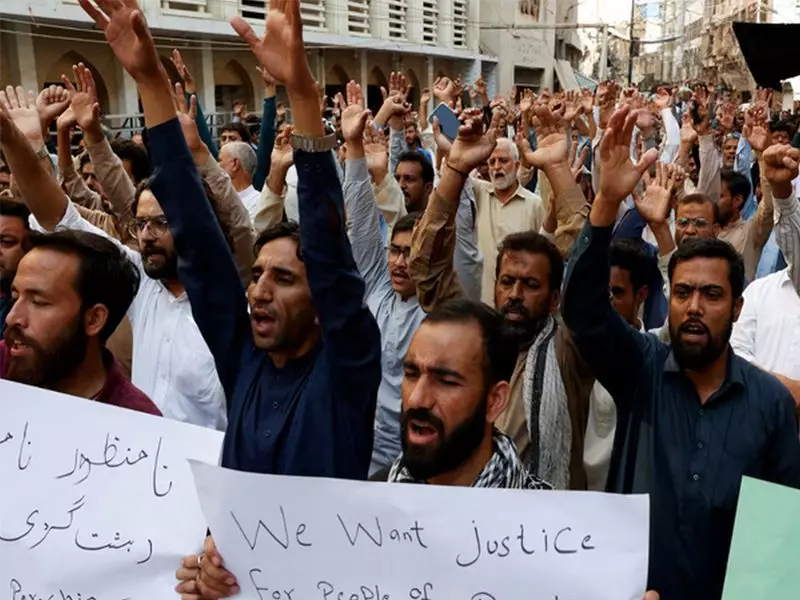
Residents have expressed frustration over the imposition of property tax without corresponding improvements in their living conditions. They believe that the tax burden is unjustified given the ongoing challenges they face in accessing basic necessities. This sentiment has fueled protests and discussions within the community, as they seek to draw attention to their plight and demand a reevaluation of the classification.

Government's Rationale and Community Response
While the government has not provided detailed public statements on the specific reasons for classifying Hattar as urban, it is generally understood that such decisions are based on factors like population density, economic activity, and administrative considerations. However, the residents counter this by highlighting that their area still retains many rural characteristics and lacks the urban infrastructure that would justify the tax imposition.
The community's response has been vocal and organized, with residents coming together to question the authorities and advocate for their rights. They are calling for transparency in the decision-making process and urging the government to either upgrade the infrastructure to match urban standards or reconsider the classification and associated taxes.
Broader Implications for Urban Planning and Taxation
This situation in Hattar sheds light on broader issues related to urban planning and taxation policies in Pakistan. It raises important questions about how urban classifications are determined and whether they align with the ground realities experienced by residents. The case highlights the need for a more participatory approach in such decisions, ensuring that communities are consulted and their needs are adequately addressed.
Moreover, the imposition of property tax in areas lacking proper infrastructure could set a precedent that might affect other similar localities across the country. It underscores the importance of balancing revenue generation with equitable development, ensuring that taxes are fair and reflective of the services provided.
As the debate continues, the residents of Hattar remain steadfast in their demand for justice and better living conditions. Their struggle serves as a reminder of the challenges faced by communities in transitioning areas and the critical role of government responsiveness in addressing such concerns.