Rising heat stress among agricultural workers is poised to significantly impact India's export potential, according to recent estimates. The negative effects of extreme heat on the country's farm sector have been intensifying, posing a serious threat to agricultural productivity and international trade.
Growing Impact of Heat on Agriculture
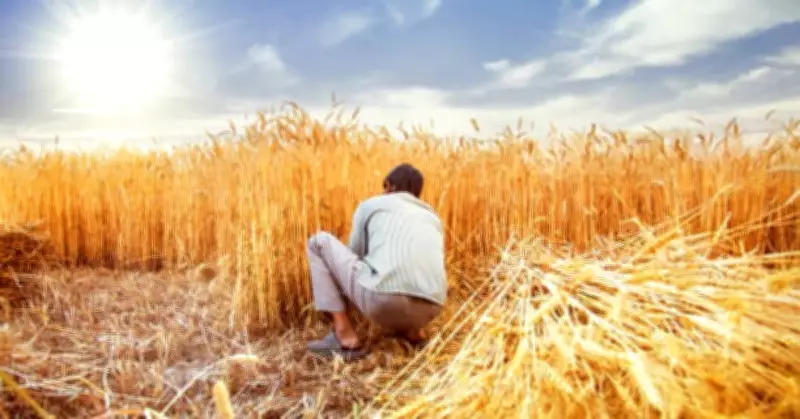
Studies indicate that heat stress reduces labor productivity, particularly in outdoor sectors like agriculture. As temperatures rise, workers are forced to reduce their working hours or face health risks, leading to lower crop yields and higher production costs. This, in turn, affects India's ability to export agricultural goods competitively.
Key Findings
- Heat stress has been linked to a decline in agricultural output, especially in labor-intensive crops such as rice, wheat, and vegetables.
- Export-oriented sectors, including spices, tea, and cotton, are vulnerable to disruptions caused by extreme weather events.
- The economic burden of heat-related illnesses and reduced working capacity is expected to rise, further straining the agricultural supply chain.
Experts warn that without adaptive measures, India's agricultural exports could face significant setbacks. The country is already witnessing changing monsoon patterns and more frequent heatwaves, which exacerbate the problem.

Policy Implications
The findings underscore the need for policies that protect agricultural workers and enhance resilience. Investments in climate-smart agriculture, heat-resistant crop varieties, and improved labor welfare measures are critical. Additionally, early warning systems and access to cooling facilities can help mitigate the impact of heat stress.
India's agricultural sector employs a large portion of the population and contributes substantially to exports. Addressing heat stress is not only a matter of worker safety but also an economic imperative. The international community, including organizations like the Energy and Climate Intelligence Unit, has highlighted the urgency of adapting to climate change to safeguard trade and livelihoods.