

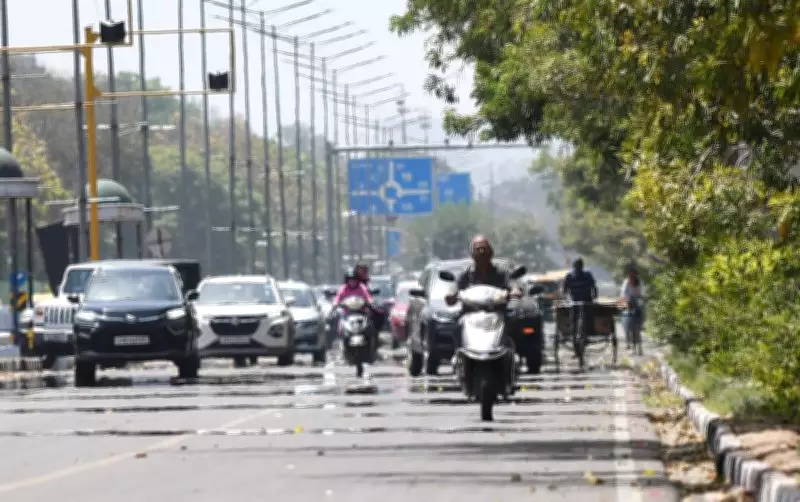
Scorching Heatwave Tightens Grip on Tricity Region
The Tricity area, comprising Chandigarh, Mohali, and Panchkula, is currently in the throes of an intense heatwave, with meteorological data indicating no immediate relief. Temperatures have consistently soared above 45 degrees Celsius, creating hazardous conditions for residents and disrupting daily life.
Record-Breaking Temperatures and IMD Warnings
The India Meteorological Department (IMD) has issued alerts for the region, noting that maximum temperatures have breached the 45°C mark multiple times this week. Chandigarh recorded a peak of 46.2°C on Tuesday, one of the highest readings in recent years, while Mohali and Panchkula reported similar extremes. IMD officials attribute this surge to a persistent high-pressure system and dry westerly winds, which are preventing any cooling effects.
"The heatwave is expected to persist for at least the next five days," stated an IMD spokesperson. "We advise people to avoid outdoor activities during peak hours and stay hydrated." The department has highlighted that nighttime temperatures are also remaining elevated, offering little respite.

Impact on Daily Life and Health Concerns
The relentless heat is taking a toll across the Tricity:
- Health Risks: Hospitals have reported a spike in heat-related illnesses, including heatstroke and dehydration, particularly among the elderly and children.
- Power Demand: Electricity consumption has surged as residents rely heavily on air conditioning and cooling appliances, leading to intermittent outages in some areas.
- Agricultural Stress: Farmers in the surrounding regions are facing crop damage due to the extreme temperatures and lack of rainfall.
- Public Disruptions: Outdoor markets and construction sites have reduced operations during daytime hours to protect workers.
Precautionary Measures and Long-Term Outlook
Local authorities have urged residents to take preventive steps:
- Drink plenty of water and avoid caffeinated or alcoholic beverages.
- Wear light-colored, loose-fitting clothing and use hats or umbrellas when outdoors.
- Limit physical exertion, especially between 11 AM and 4 PM.
- Check on vulnerable neighbors and ensure proper ventilation in homes.
The IMD forecasts that the heatwave may continue into next week, with only a slight possibility of isolated thunderstorms providing minor relief. Climate experts note that such extreme weather events are becoming more frequent due to global warming, underscoring the need for long-term adaptation strategies in urban planning and public health.
As the Tricity battles this severe heat, residents are advised to stay informed through weather updates and adhere to safety guidelines to mitigate health risks.






