

Unprecedented Water Levels at Almatti Dam Alter Winter Bird Migration Patterns
In a significant environmental shift, the backwater levels at Almatti Dam in Vijayapura district have remained unusually high this year, disrupting the traditional winter migration of numerous bird species. Typically, these waters recede by the end of December, but due to exceptionally heavy rainfall during the monsoon season, the reservoir held approximately 87 tmcft (thousand million cubic feet) of water well into the winter months.
Scarcity of Food Sources Drives Birds Away
This sustained high water level has had a direct and profound impact on the local ecosystem. Birdwatchers and forest officials report that migratory birds, which usually arrive in large flocks from regions like Gujarat, either did not come at all or departed quickly after arrival. Species such as flamingos, bar-headed geese, black-tailed godwits, and demoiselle cranes were notably absent or only made brief appearances.
The primary issue is a severe shortage of food. When water levels are low, exposed sludge provides a rich habitat for algae, crabs, and shells—essential dietary components for these birds. With the water remaining high, these feeding areas are submerged and inaccessible.

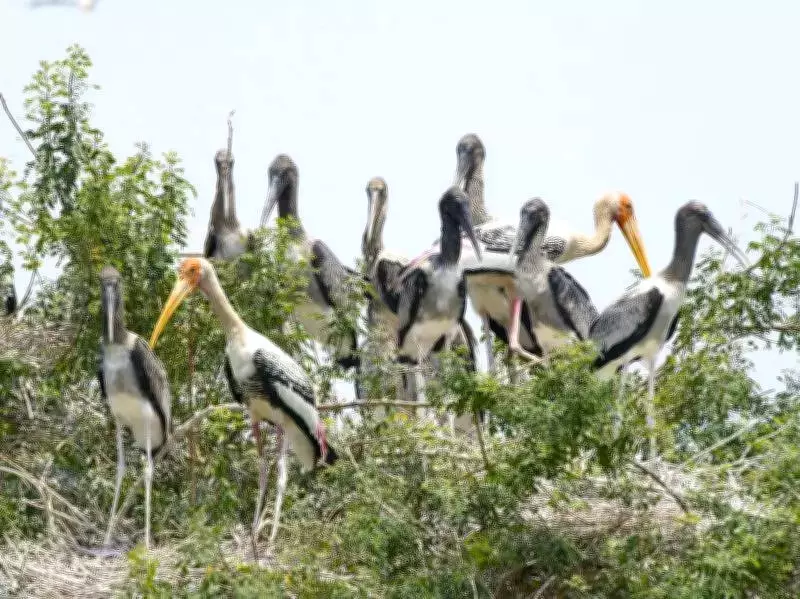
Hanamant Doni, Range Forest Officer (Territorial Forest) in Mudhol and an avid birdwatcher, explained the situation to TOI. "The availability of feeding areas was scarce this year, leading to a drastic reduction in bird numbers," he stated. Doni elaborated that when food is scarce, large flocks, which can number around 10,000 birds, tend to disperse. "They get united by reverse migration later," he added, noting that the Almatti backwaters typically host a diverse array of species including painted storks, brown-headed gulls, greylag geese, greater flamingos, and many others across villages like Herakal, Beerakabbi, and Bennur.
Birds Redirected to Southern Regions
Praveen Baddi, another Range Forest Officer (Social Forest) in Mudhol and birdwatcher, observed that many birds are now moving towards southern areas. "If favorable conditions persist in places like Kutch, Gujarat, they will stay there. Otherwise, they migrate southward during this season," he shared. Baddi cited the example of the common pochard, a deep-water preferring bird, which stayed for only a week before moving to locations like TB dam and Ankasamudra in Tamil Nadu.
"These birds typically return from the south in March and then proceed towards Europe," Baddi noted, highlighting the complex migration patterns that have been altered this year.
A Drastic Decline in Bird Populations
The most striking consequence of this environmental change is the dramatic drop in bird numbers. Where once the Almatti backwaters would see around 10,000 migratory birds, this year the count did not exceed 1,000. "Almatti backwaters area was a crucial feeding spot for most winter-arriving birds," Baddi lamented. He also pointed out that the area usually supports species like the oriental pratincole, which arrives from Australia in summer for reproduction, but even these patterns may be affected by the ongoing changes.
This situation underscores the delicate balance between water management, climate patterns, and wildlife migration. The high water levels, while beneficial for water storage and irrigation, have inadvertently created an ecological challenge, displacing thousands of birds and altering long-established migration routes. Forest officials and birdwatchers continue to monitor the situation, hoping for a return to normalcy in the coming seasons.






