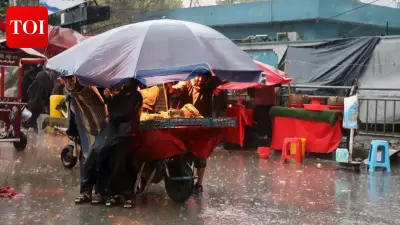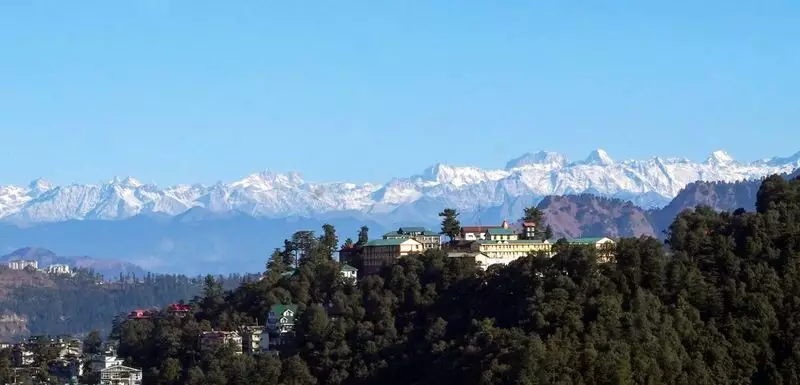
Himachal Pradesh is currently grappling with a severe and prolonged dry spell, casting a shadow over the state's water resources and winter crops. The India Meteorological Department (IMD) has delivered sobering news, forecasting below-normal precipitation to persist across the region until at least the end of March. This significant deviation from typical winter weather patterns has triggered alarm among officials, farmers, and residents alike.
Alarming Rainfall Deficits and Meteorological Data
The statistics paint a stark picture of the ongoing crisis. According to the latest data, Himachal Pradesh has recorded a staggering rainfall deficit of 80 percent for the period from January 1 to February 19. The normal precipitation for this timeframe is 111.6 mm, but the state has received a mere 22.4 mm. This shortfall is not an isolated incident but part of a worrying seasonal trend.
Breaking down the figures further reveals the extent of the dryness. The state witnessed a 100 percent deficit in the first week of February, receiving no rain at all against a normal expectation of 17.8 mm. The situation showed only marginal improvement in the second week, with a 98 percent deficit. A slight respite came during the third week, but the deficit still stood at a substantial 48 percent. Cumulatively for the entire month of February so far, the deficit remains at a critical 90 percent.

This winter season, spanning from December 1 to February 19, tells a similar story of scarcity. Himachal has experienced a 53 percent deficit in overall winter rainfall, receiving 108.8 mm against the normal average of 232.2 mm. The IMD's regional centre has confirmed that dry weather conditions are expected to prevail, with no significant Western Disturbance—the primary rain-bearing system for North India during winter—likely to affect the Western Himalayas in the coming days.
Immediate Consequences and Growing Concerns
The immediate and most visible impact of this dry spell is on the region's crucial water sources. Major rivers, including the Beas, Satluj, Ravi, and Chenab, along with their countless tributaries and streams, are reportedly flowing at much lower levels than usual for this time of year. This decline directly threatens drinking water supplies for urban and rural communities and reduces the availability of water for irrigation.
The agricultural sector, the backbone of the state's rural economy, is bracing for potential losses. The scarcity of rain and moisture in the soil is adversely affecting key Rabi season crops such as wheat, barley, and mustard. Farmers are facing anxious times as the growth of these crops is being stunted, which could lead to reduced yields and financial hardship. Horticulture, particularly apple cultivation which requires specific chilling hours and moisture, is also under stress.
Long-Term Outlook and Official Response
The forecast from the meteorological department offers little hope for a quick turnaround. The outlook for the remainder of February and the month of March predicts below-normal rainfall activity over most parts of Northwest India, which includes Himachal Pradesh. This extended forecast deepens concerns about a potential water crisis as the state moves towards the hotter summer months, when demand peaks and traditional sources often run dry.
Local authorities and disaster management cells are closely monitoring the situation. The prolonged absence of significant snow in the higher reaches, which acts as a natural reservoir, is an added worry for summer river flows. While no official drought alert has been declared yet, the administration is likely formulating contingency plans to manage water resources efficiently and provide support to the agricultural community if the dry conditions persist as predicted.
This unusual weather pattern underscores the increasing variability in Himalayan climate systems and serves as a stark reminder of the vulnerabilities faced by mountain states dependent on seasonal precipitation for their ecological and economic well-being.