Himachal Pradesh Faces Alarming Snow Cover Decline Over Six Years
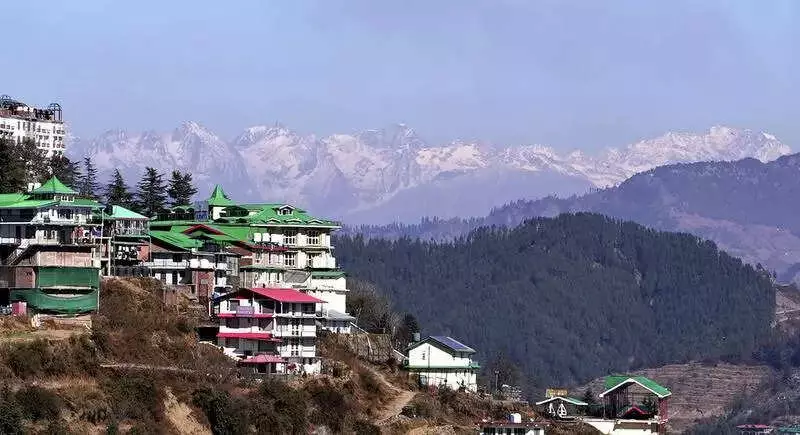
The picturesque upper reaches of Himachal Pradesh present a worrying sight this winter. Most areas remain largely snow-free, continuing a troubling pattern that has developed over the past six years. A recent government report confirms this visible change with hard data, revealing a steady and significant reduction in the state's snow cover.
Government Report Details Sharp Drop in Snowfall Area
The Himachal Pradesh State Centre on Climate Change (SCCC) released its findings for 2024-25. Their analysis shows a clear downward trend. The total snowfall area across four major river basins—Chenab, Beas, Ravi, and Satluj—has shrunk considerably.
In the winter of 2018-19, these basins held 20,210 square kilometers of snow cover. By the 2023-24 winter season, that number had fallen to 17,437.4 square kilometers. This represents a substantial drop of 13.72 percent. Researchers used Advanced Wide Field Sensor (AWiFS) satellite data to map these changes accurately.

The report highlights that the snow cover in 2023-24 was 12.72 percent lower than just the previous winter of 2022-23. That year, the four basins together had 19,979 square kilometers under snow.
River Basin Analysis Shows Widespread Reduction
Examining individual river basins reveals the widespread nature of this decline:
- The Satluj basin recorded the highest snow cover in 2022-23 at 8,868 square kilometers, but saw a 12.45% drop the following year.
- The Chenab basin fell by 15.39%, from 7,049.67 to 5,964.70 square kilometers.
- The Beas basin decreased by 7.65%, and the Ravi basin by 9.89%.
The report noted an interesting seasonal shift. Most basins showed negative snow cover trends from October to January in 2022-23. However, they registered some recovery between February and April. This indicates that snowfall now occurs more in the latter part of winter.
Climate Change Cited as Primary Cause
The SCCC report directly links this decline to the impacts of climate change. It states that rising winter temperatures, altered precipitation patterns, and an increase in extreme weather events are likely responsible for the shrinking snow cover.
The report emphasizes the need for integrated climate adaptation measures. It calls for sustained monitoring to mitigate long-term impacts on agriculture, water resources, and biodiversity in the fragile Himalayan region.
Tourist Destinations and High Altitudes Affected
The lack of snow is not confined to remote high-altitude areas. Popular tourist towns like Shimla and Manali have also experienced a sharp drop in average snowfall over the past two decades. Both locations have received no snowfall so far this winter.
Even the higher reaches of Kullu, which typically remain under thick snow at this time of year, are largely bare. High-altitude regions such as Lahaul-Spiti and Kinnaur have recorded no significant snowfall this season.
A clear indicator of the changed conditions is Rohtang Pass. Situated at about 4,000 meters, it usually closes to traffic by November 15 each year. This season, it remained open until January 1.
Experts Note Shifting Weather Patterns
Environmentalists observing these changes point to a shift in overall patterns. Guman Singh, coordinator of the Himalaya Niti Abhiyan, explains that snowfall traditionally began in November and continued through March.
"Over the last few years, the state has been receiving snowfall after January, and sometimes even until April," Singh said. "We are hoping it may start snowing in late January or February. But rain and snow are essential for the region."
The historical data underscores the variability and recent decline:
- 2018-19: 20,210 sq km
- 2019-20: 23,542 sq km (the highest recorded)
- 2020-21: 19,183 sq km
- 2021-22: 23,244 sq km
- 2022-23: 19,979 sq km
- 2023-24: 17,437 sq km
This six-year trend presents a clear challenge for Himachal Pradesh, highlighting the urgent need to address climate impacts in the Himalayan ecosystem.