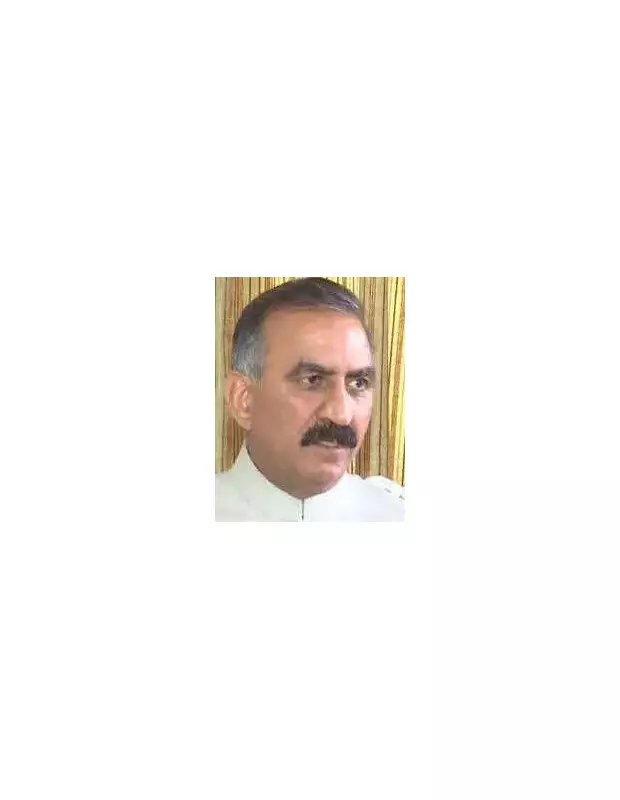
In a significant push for clean energy, Himachal Pradesh Chief Minister Sukhvinder Singh Sukhu has issued directives for the installation of rooftop solar power systems across all health institutions in the state. This move aims to harness renewable energy to cut down on electricity costs and promote environmental sustainability.
Ambitious Renewable Energy Roadmap
The state government has set an ambitious target to meet over 90% of its annual energy requirement of 13,000 million units from renewable sources. As part of this green vision, a plan is in place to install solar projects with a combined capacity of 500 MW over the next two years.
Himachal is already generating clean power from existing solar plants. These include the 32 MW Pekhubela, the 5 MW Bhanjal, and the 10 MW Aghlaur solar power plants, which have contributed substantial electricity and revenue. The pipeline is robust, with additional projects totalling 31 MW currently under execution. Furthermore, four more projects with a combined capacity of 41 MW are in the tender stage. A major 200 MW solar plant is also planned for the Damtal area in Kangra district.

Green Panchayat Initiative and Social Welfare
Beyond large-scale projects, the state is empowering its local governance bodies through the Green Panchayat Programme. Under this initiative, 500 kW ground-mounted solar plants will be installed in all panchayats. The first phase has seen approvals granted to 24 gram panchayats, with work actively underway in 16 of them. The total target for this programme is 150 MW.
This programme has a unique social welfare component. A dedicated 20% of the revenue generated from these panchayat-level solar projects will be used to support orphans and widows within the respective local areas, linking clean energy development directly to community welfare.
Streamlined Allocation and Power Purchase
To accelerate solar adoption, the state is allocating solar projects ranging from 250 kW to 5 MW on a "first come, first serve" basis. This simplified process is designed to encourage faster development. The power generated from these projects will be purchased by the state electricity board, ensuring a guaranteed market for the producers.
Chief Minister Sukhu's directive for health institutions, coupled with the broader solar strategy, positions Himachal Pradesh as a leading state in India's transition to renewable energy, aiming for energy self-sufficiency while creating a sustainable model for social benefit.