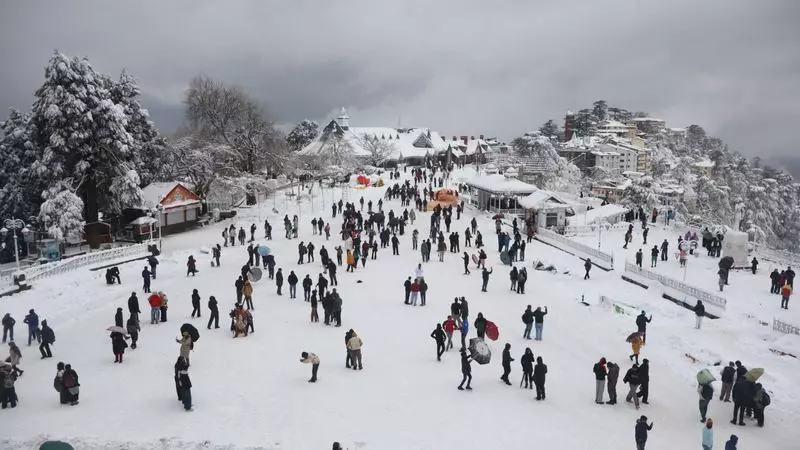
Snow Deficit in the Himalayan Hills: A Looming Environmental Crisis
The Himalayan region, often called the "Third Pole" due to its vast ice reserves, is facing a critical snow deficit this season. This shortage of snowfall in the hills has far-reaching implications for water resources, agriculture, and climate stability across North India and beyond.
Causes of the Snow Shortage
Several factors contribute to the reduced snowfall in the Himalayan hills:
- Climate Change: Rising global temperatures are altering precipitation patterns, leading to less snow and more rain at higher altitudes.
- Erratic Weather Patterns: Unpredictable monsoons and winter systems have disrupted the typical snow accumulation cycles.
- Human Activities: Deforestation and urbanization in hill areas can impact local microclimates, potentially reducing snowfall.
Immediate Impacts on Water and Agriculture
The snow deficit is already causing tangible effects:

- Water Scarcity: Snowmelt from the Himalayas feeds major rivers like the Ganges, Yamuna, and Indus. A deficit means reduced summer water flow, affecting drinking water supplies and irrigation.
- Agricultural Disruption: Farmers in the hills and plains rely on snowmelt for crops. Shortages can lead to lower yields and economic hardship.
- Hydropower Generation: Many hydroelectric projects depend on consistent water flow from snowmelt, so deficits can impact energy production.
Long-Term Consequences for Climate and Ecology
Beyond immediate concerns, the snow deficit poses severe long-term risks:
Glacial Retreat: Reduced snowfall accelerates the melting of glaciers, which are crucial for maintaining river systems. This can lead to permanent water shortages in the future.
Biodiversity Loss: The unique flora and fauna of the Himalayan region depend on snow cover for habitat and water. A deficit threatens species survival and ecosystem balance.
Increased Natural Disasters: Changes in snow patterns can heighten risks of landslides, floods, and droughts, affecting communities in the hills and downstream areas.
Regional and Global Implications
The impact of the Himalayan snow deficit extends beyond India:
- South Asia: Countries like Pakistan, Bangladesh, and Nepal also rely on Himalayan rivers, making this a transboundary issue.
- Global Climate: The Himalayas play a key role in regulating regional climate. Disruptions here can influence weather patterns across Asia.
Addressing the snow deficit requires coordinated efforts in climate mitigation, sustainable water management, and conservation policies. As the situation unfolds, monitoring and adaptive strategies will be essential to safeguard the region's future.