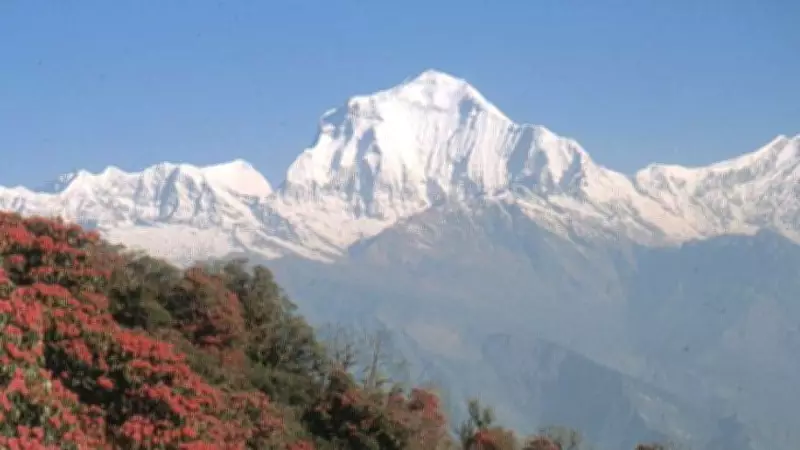
The Melting Himalayas and India's Looming Water Crisis
A stark new report from the International Centre for Integrated Mountain Development (ICIMOD) has sounded a dire alarm for India's water security. According to their comprehensive analysis, snowfall across the Himalayan region between November 2024 and March 2025 declined by a staggering 23.6% when compared to the long-term average recorded since 2003. This dramatic reduction in winter precipitation is not merely a statistical anomaly; it represents a profound environmental shift with potentially catastrophic consequences for millions of people who depend on these mountains for their freshwater supply.
Unprecedented Decline in Snowfall
The data, which covers the critical winter accumulation period, indicates a clear and accelerating trend of diminishing snowfall. The 23.6% deficit is a significant deviation from historical norms, suggesting that the region's hydrological cycle is undergoing rapid and potentially irreversible change. This decline directly impacts the natural reservoirs formed by snowpack and glaciers, which act as vital water towers for the entire subcontinent.
Implications for India's Water Security
The implications of this reduced snowfall are far-reaching and deeply concerning for India. The Himalayan snowmelt is the primary source for major river systems, including the Ganges, Brahmaputra, and Indus. These rivers are the lifeblood of agriculture, industry, and domestic consumption across northern and eastern India. A sustained reduction in snowfall translates directly into diminished river flows during the crucial dry seasons, leading to:

- Severe water scarcity for irrigation, threatening food security and farmer livelihoods.
- Reduced hydropower generation, impacting energy supplies and economic stability.
- Increased competition and potential conflict over dwindling water resources between states and sectors.
- Ecological damage to riverine ecosystems and biodiversity.
A Call for Urgent Climate Action
This report from ICIMOD serves as a powerful and urgent call to action. The melting Himalayas are a visible and measurable symptom of global climate change. The 23.6% snowfall deficit underscores the immediate need for robust climate adaptation and mitigation strategies. Policymakers must prioritize sustainable water management, invest in alternative water storage and conservation technologies, and reinforce international cooperation on transboundary water issues. The time for complacency is over; the data clearly shows that India's water future is hanging in the balance, contingent on the health of the rapidly changing Himalayan cryosphere.