

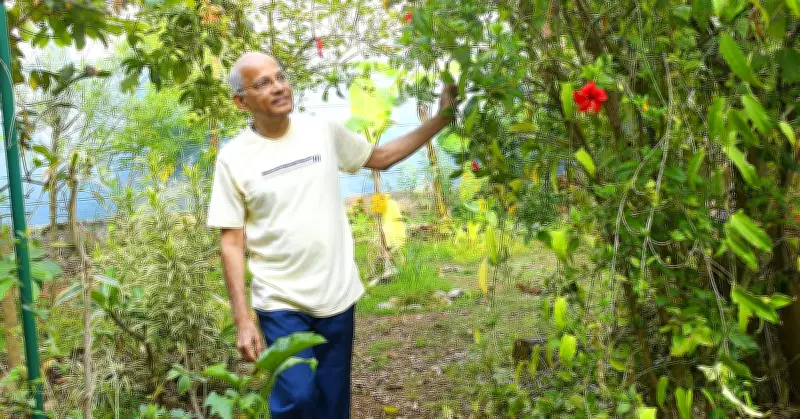
When Hornbills Found My Mini Jungle: A Tale of Urban Wildlife
In a remarkable turn of events, a personal garden in an urban setting has become an unexpected haven for hornbills, showcasing the potential for small-scale conservation efforts to make a significant impact on local biodiversity. This story, originally shared by a nature enthusiast, details how a mini jungle cultivated at home attracted these majestic birds, offering insights into the delicate balance of urban ecosystems.
The Creation of a Mini Jungle
The journey began with the simple act of planting native trees and shrubs in a residential garden. Over time, this space evolved into a lush, green oasis, teeming with life. The owner focused on selecting species that are indigenous to the region, which not only thrived in the local climate but also provided essential resources for wildlife. This deliberate approach to gardening created a micro-habitat that mimicked natural forests, setting the stage for an extraordinary encounter.
The Arrival of the Hornbills
One day, to the gardener's astonishment, a pair of hornbills was spotted perched on the branches of a tall tree. These birds, known for their distinctive bills and vibrant plumage, are typically found in dense forests, making their presence in an urban garden a rare and thrilling sight. The hornbills were drawn to the abundance of fruits, insects, and nesting sites available in the mini jungle. Their arrival marked a turning point, highlighting the garden's role as a vital refuge in an otherwise concrete-dominated landscape.

- Native Plant Selection: The use of local flora ensured a steady supply of food and shelter.
- Water Sources: Small ponds and birdbaths provided essential hydration.
- Minimal Human Interference: The garden was maintained with a hands-off approach, allowing nature to take its course.
Ecological Impact and Conservation Insights
The presence of hornbills in this mini jungle has had a profound ecological impact. These birds play a crucial role in seed dispersal, helping to regenerate plant species and maintain forest health. By visiting the garden, they contribute to the spread of native plants, enhancing biodiversity in the surrounding area. This story underscores the importance of urban conservation initiatives, demonstrating how individual efforts can support wildlife and promote environmental sustainability.
Moreover, the experience has inspired the gardener to document the hornbills' behavior and share observations with local conservation groups. This collaboration has provided valuable data on urban wildlife patterns, aiding in broader efforts to protect endangered species. The mini jungle serves as a living laboratory, offering lessons on coexistence between humans and nature in modern cities.
Lessons for Urban Dwellers
This heartwarming account offers practical lessons for anyone interested in contributing to wildlife conservation. By creating green spaces with native plants, reducing pesticide use, and providing water sources, urban residents can attract and support local fauna. Such initiatives not only benefit wildlife but also improve air quality, reduce urban heat, and enhance mental well-being for humans.
- Start Small: Even a balcony or small yard can be transformed into a wildlife-friendly area.
- Choose Native Species: Opt for plants that are adapted to the local environment to support indigenous animals.
- Be Patient: It may take time for wildlife to discover and trust new habitats.
In conclusion, the story of hornbills finding a mini jungle is a powerful reminder of nature's resilience and the impact of personal conservation actions. It encourages us to rethink our urban spaces and embrace opportunities to foster biodiversity, one garden at a time.






