The Catastrophic Event That Reshaped Life on Earth
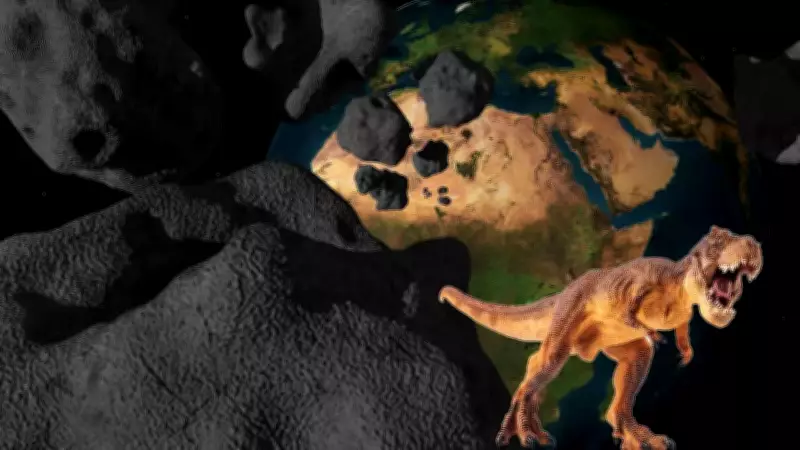
Approximately 66 million years ago, a cataclysmic event of unimaginable scale forever altered the course of life on our planet. A massive asteroid, estimated to be six miles wide, slammed into Earth with devastating force. This single impact triggered a chain reaction of destruction that led to the extinction of nearly three-quarters of all species in what scientists call the Cretaceous-Paleogene extinction event.
The immediate aftermath was nothing short of apocalyptic. Fires raged across continents, tsunamis swept coastal regions, and scorching heat waves made the surface uninhabitable. Yet, amidst this global devastation, some remarkable creatures managed to survive against all odds. Their stories of resilience provide crucial insights into one of the most brutal chapters in Earth's history.
The Deadly First Hours: How Some Animals Escaped Immediate Destruction
The initial moments following the asteroid impact were particularly lethal. Thermal radiation reportedly raised Earth's surface temperatures to lethal levels within minutes, effectively roasting any exposed animals. Fossil evidence reveals that molten rock rained down from the sky, forming glass shards that tore through anything in their path.

In this environment of extreme heat and falling debris, small size and specific behaviors became critical survival advantages. Animals that could burrow underground or hide in water bodies had a fighting chance against the immediate onslaught. This explains why creatures like crocodiles, lizards, birds, and early mammals managed to survive this first wave of destruction.
Dinosaurs, particularly the larger species, faced insurmountable challenges. Their massive size made it impossible to find adequate shelter from the heat and chaos. Most simply could not escape the environmental extremes that followed the impact.
Dietary Flexibility: The Key to Enduring Food Scarcity
As the immediate destruction subsided, survivors faced a new challenge: finding food in a radically changed world. Herbivores that relied on specific plants suffered tremendously when forests turned to ash. Carnivores struggled as their prey disappeared from the landscape.
However, animals with more flexible dietary habits had a distinct advantage. Insectivores, seed-eaters, and scavengers could nibble on whatever organic material they could find in the devastated environment. This adaptability gave them crucial time to endure while the world slowly began its recovery process.
Surviving the Impact Winter: Life in a Darkened World
Emerging from initial shelters revealed a profoundly altered planet. Forests had vanished, replaced by barren landscapes. The sky remained blocked by dust and soot for months, creating what scientists term an "impact winter" that cut off sunlight and halted plant growth.
In this challenging environment, small mammals found unexpected advantages. Their modest size placed them low on the food chain, and their generalist nature allowed them to survive on limited resources. They could scurry through the shadows, quietly persisting in a world where giant dinosaurs had previously dominated.
Some mammalian lineages, like multituberculates (rodent-like mammals), not only survived but apparently thrived even under previous dinosaur rule. Eutherians, our direct ancestors, reportedly endured because of their small size and behavioral flexibility.
The Role of Chance in Survival and Extinction
The survival patterns from this extinction event reveal intriguing mysteries. Why did crocodiles survive while similar aquatic predators like mosasaurs perished? Why did tiny, omnivorous dinosaurs fail to make it when they seemingly had the right characteristics for survival?
Experts acknowledge that chance played a significant role in determining which species survived and which disappeared forever. Some animals may have simply been lucky enough to be in protected pockets that avoided the worst effects of the catastrophe. This element of randomness helps explain why we have birds, mammals, and crocodiles today, while so many other lineages vanished completely.

From the smoldering aftermath of this global catastrophe, these few survivors gradually repopulated the planet. They forged a new world order without dinosaurs at the top of the food chain. Quietly, over millions of years, they set the stage for the eventual emergence of humans and the diverse ecosystems we know today.