

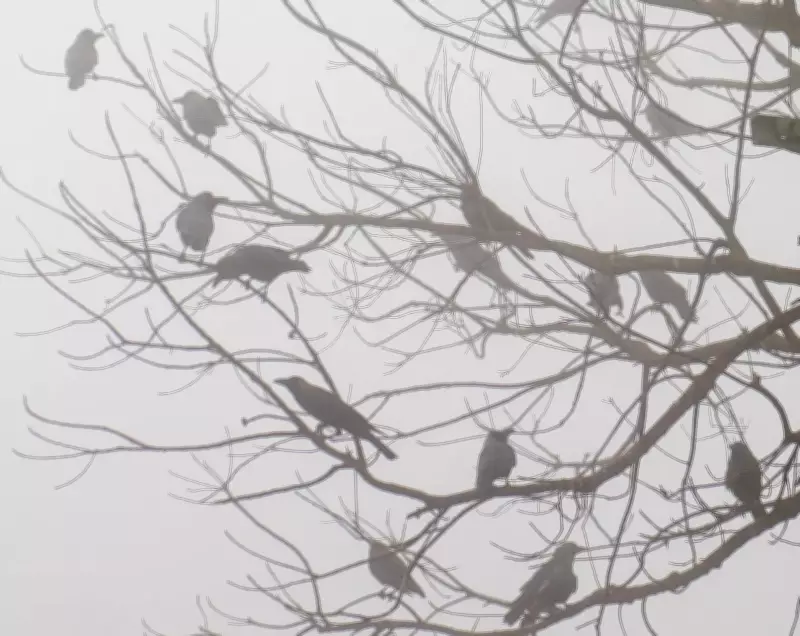
The Silent Survival of Birds in Winter's Deep Freeze
On frigid winter nights when temperatures plummet far below freezing, small birds can be observed perched in exposed locations that appear utterly inhospitable to life. Yet, come morning, they remain steadfastly in place. Their survival is not a dramatic spectacle but a quiet, daily triumph achieved through a series of precise biological and behavioral adjustments.
A Multilayered Strategy for Thermal Regulation
These avian survivors maintain body temperatures above 40°C while the surrounding air freezes by meticulously balancing heat production, food intake, and environmental exposure. There is no single miraculous trick. Instead, their endurance stems from multiple overlapping adaptations: sophisticated insulation, controlled blood circulation, metabolic flexibility, and instinctive behaviors honed over countless winters.
These solutions are elegantly efficient rather than extreme, functioning only because energy expenditure is rigorously managed from dawn until dusk.

Feathers: Nature's Superior Insulation System
Feathers constitute the primary barrier against penetrating cold. During winter months, birds deliberately fluff their plumage to trap a layer of still air close to their skin. This natural air pocket significantly retards heat loss and outperforms many synthetic insulating materials.
The feathers are maintained in optimal condition by natural oils that repel moisture, since dry feathers retain heat effectively while wet ones become thermal liabilities. Even when snow accumulates or frost forms, the structural integrity of the plumage continues protecting the core body temperature, even in air substantially colder than the bird itself.
Circulatory Precision in Exposed Extremities
Bare legs and feet might appear vulnerable but are ingeniously regulated. Warm arterial blood flowing outward passes alongside cooler venous blood returning inward, allowing heat transfer between vessels before it dissipates into the environment.
Consequently, feet remain near freezing temperatures rather than staying warm, preventing tissue damage while minimizing unnecessary thermal loss. Keeping extremities cool conserves precious energy that would otherwise be wasted into the ground, ice, or metallic surfaces.
Metabolic Adjustments During the Coldest Hours
Throughout the night, certain bird species temporarily reduce their internal body temperature. Heart rates decelerate and energy consumption drops in a controlled, temporary state distinct from sleep.
By narrowing the differential between body and ambient temperatures, heat loss slows considerably. Fat reserves accumulated during daylight hours are thereby stretched to last through the night. Normal temperatures and activity levels resume rapidly with morning's arrival.
Collective Warmth Through Communal Roosting
Many birds confront winter collectively rather than alone. Roosting together in cavities, dense vegetation, or sheltered structures substantially reduces heat loss. Closely packed bodies decrease exposed surface area and share warmth mutually.
Even a modest elevation in local microclimate can dramatically improve survival prospects during severe cold snaps. These communal behaviors are straightforward yet remarkably effective, particularly during extended winter nights.
Daylight Foraging: The Foundation of Nocturnal Survival
Winter survival fundamentally depends on daylight activities. Birds dedicate substantial daytime hours to foraging, selectively consuming high-energy foods and converting them into subcutaneous fat stores.
These reserves fuel continuous muscular activity that generates essential body heat. Subtle, persistent shivering maintains thermal output. Without sufficient daily nutrition, this internal heating system would fail long before morning.
The Delicate Equation of Energy Balance
Cold tolerance depends less on brute strength than on meticulous equilibrium. Heat production must never exceed caloric intake, while heat loss must remain within boundaries established by insulation and behavior.

Birds that persist through winter survive by managing this equation with extraordinary care, allowing minimal margin for error. The process is quiet, repetitive, and exacting. When successful, the outcome is beautifully simple: another frigid morning, and another living bird.





