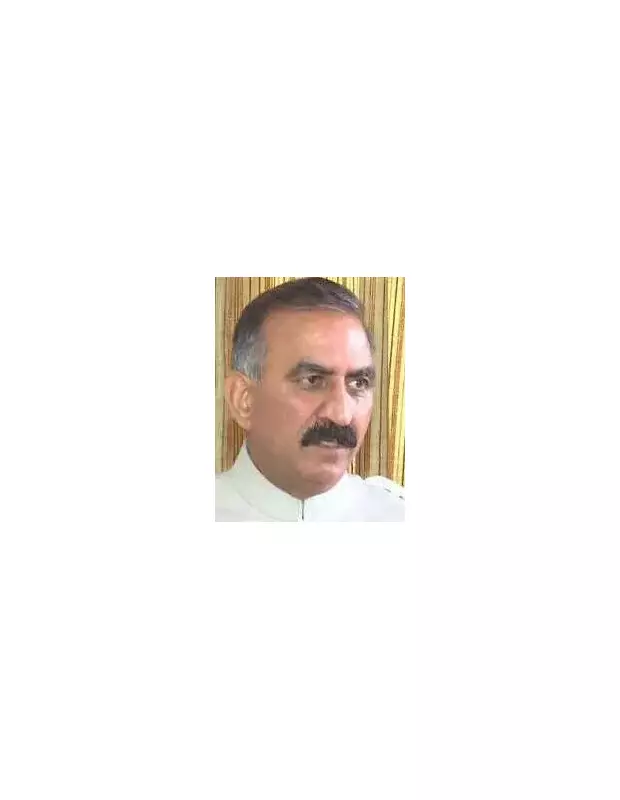
In a major push for energy independence and sustainability, the Himachal Pradesh government has unveiled an ambitious roadmap to transform the state into a 'Green Energy State' by March 2026. Chief Minister Sukhvinder Singh Sukhu announced on Monday that the state aims to meet more than 90% of its energy requirements through renewable sources, moving towards self-reliance in the power sector.
Solar Energy Takes Centre Stage
The Chief Minister highlighted a significant shift towards solar power, driven by the state's green policies. A key target has been set to establish 500 MW of solar power projects within the next two years. This initiative is being anchored at the grassroots level through the innovative 'Green Panchayat Programme'.
Under this programme, every gram panchayat in the state will host a 500 kW ground-mounted solar power project. The government has placed panchayats at the core of this green transition. In the first phase, approvals have been granted for such plants in 24 gram panchayats, with construction work already begun in 16 of them. The overall target under this scheme is to achieve a total solar power generation capacity of 150 MW.

A Model for Social Welfare and Sustainability
In a unique blend of energy development and social welfare, the revenue generated from these panchayat-based solar projects will have a dual purpose. Chief Minister Sukhu stated that 20% of the total revenue earned from the electricity produced will be earmarked by the state government. These funds will be specifically used to provide assistance to orphaned children and widows within the respective gram panchayats.
Existing Projects Showcasing Success
The state's solar ambitions are already being realized with several projects demonstrating successful output. The Pekhubela Solar Power Project in Una district started commercial operations on April 15, 2024. To date, it has generated an impressive 79.03 million units of net electricity, bringing in revenue of approximately Rs 22.91 crore.
Furthermore, the Aghlour Solar Power Project, also in Una, began power generation on May 21, 2025, and has already produced 5.89 million units. Another project, the Bhanjal Solar Power Project in Una, commenced operations on November 30, 2024. It has generated 8.57 million units of electricity, earning about Rs 3.10 crore in revenue so far.
These operational projects serve as a testament to the state's technical capability and commitment. The comprehensive strategy, combining large-scale targets with decentralized panchayat-level projects and a built-in social welfare component, positions Himachal Pradesh as a potential leader in India's renewable energy landscape. The March 2026 deadline sets a clear and urgent timeline for this transformative vision.