The Majestic Humpback Whale: More Than Just a Giant Mammal
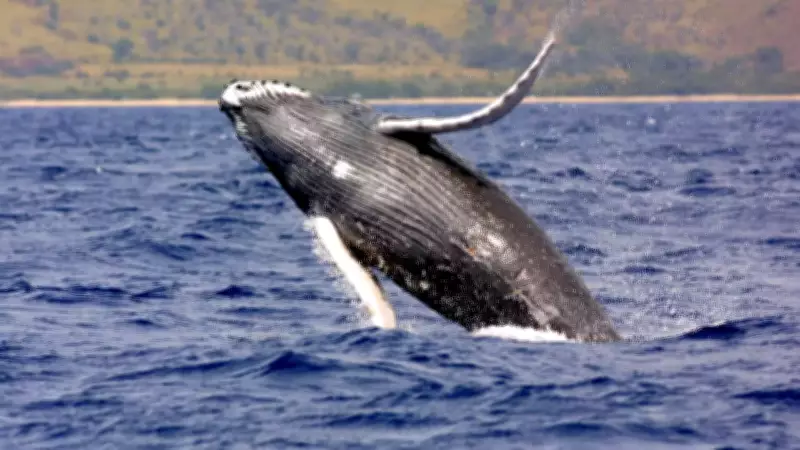
Humpback whales captivate observers with their dramatic surface displays, leaping out of the water and slapping the sea with their massive fins and tails. While similar to other whales, humpbacks possess distinctive traits that set them apart. These colossal creatures can grow up to 60 feet in length and weigh as much as 40 tons, with some individuals living close to 90 years. Annually, they embark on epic journeys, traveling thousands of miles from tropical breeding grounds to cold, nutrient-rich feeding areas. However, human activities pose significant conservation threats, including fishing nets, busy shipping lanes, and disruptive ocean noise. Despite these challenges, humpback whales persist, showcasing their playful and enduring nature. They are not merely giant mammals but performers, athletes, and powerful symbols of resilience. Each breach, tail slap, or bubble-net feeding session serves as a vivid reminder of the ocean's wonder and the need for protection.
Unique Patterns and Ingenious Feeding Habits
Humpback whales are predominantly black in color, but many feature striking white patches on their bellies, fins, and tails. Southern Hemisphere whales often exhibit more white than their northern counterparts. Each whale's tail is unique, akin to a fingerprint, allowing scientists to identify individuals by tail shape, scars, and coloration. This identification method aids in tracking behavior, movement, and health over decades, with some whales bearing scars from fights or entanglements. Their diet consists of krill and small fish, which they filter through baleen plates by processing huge volumes of water. A particularly clever feeding technique is bubble-net feeding, where a group of whales swims in circles, blowing bubbles to trap fish before lunging upward to capture them. This behavior appears playful and choreographed, yet it is a highly effective hunting strategy.
Epic Migration and Reproductive Cycles
Humpback whales inhabit all oceans and undertake long-distance migrations, with some traveling up to 5,000 miles from summer feeding spots to winter breeding areas. For instance, North Pacific whales swim from Alaska to Hawaii in approximately 28 days, while North Atlantic whales migrate from the Gulf of Maine to the West Indies or Cape Verde. Southern Hemisphere whales feed in Antarctic waters, with calving occurring in shallow, warm waters. Adults dive deep for food, making these journeys exhausting, yet they repeat them instinctively every year. Whales reach maturity between 4 and 10 years, and females typically give birth to one calf every 2–3 years, though some calve annually. Gestation lasts about 11 months, resulting in calves that are 13–16 feet long. These calves stay near their mothers for up to a year, with mothers providing protection by swimming close and nudging them with their fins, forming temporary but strong bonds.

Human Impacts and Ongoing Threats
Human activities create substantial risks for humpback whales. Vessel strikes in busy shipping lanes are common and can be fatal, while fishing gear often traps whales, leading to injuries, fatigue, and sometimes death. Climate change alters water temperatures and food availability, shifting migration and feeding patterns. Whale-watching boats, though seemingly tolerated, can stress the whales, and underwater noise pollution interferes with their communication. These cumulative threats render even the robust humpback whales vulnerable. Historically, commercial whaling before 1985 nearly wiped them out, causing population declines of up to 95% in some regions. The International Whaling Commission's ban has aided recovery, with scientists now tracking whales through photos, maps, and habitat protections. Management efforts focus on reducing entanglement, avoiding collisions, and safeguarding feeding areas, emphasizing that humpbacks are not just survivors but vital indicators of ocean health. Protecting them is essential for preserving the broader marine ecosystem.