

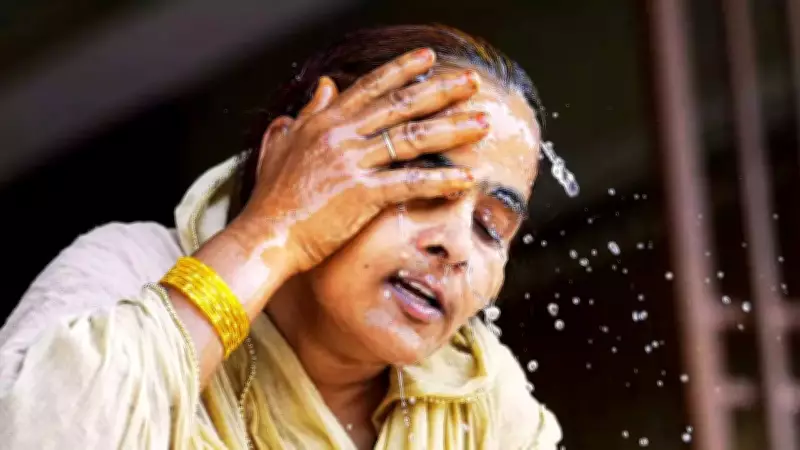
IMD Issues Heatwave Alert for Upcoming Summer Months Across India
The India Meteorological Department (IMD) has released a concerning forecast, indicating that an above-normal number of heatwave days is expected across large parts of India between March and May. This prediction comes as summer sets in, with several states likely to experience prolonged spells of high temperatures, posing potential health and environmental risks.
Regions at High Risk for Increased Heatwave Activity
According to the IMD, numerous regions are anticipated to face more heatwave days than usual during this three-month period. Key areas include West Rajasthan, Gujarat, Haryana, Punjab, south and east Maharashtra, eastern Uttar Pradesh, Bihar, Jharkhand, Gangetic West Bengal, Odisha, Chhattisgarh, Telangana, Andhra Pradesh, north Karnataka, and north Tamil Nadu. These states should prepare for heightened heat conditions, which could impact agriculture, water resources, and public health.
March Weather Outlook: A Moderate Start with Regional Variations
Despite the overall summer forecast, March is expected to begin on a relatively moderate note for much of the country. The IMD stated that maximum temperatures in March are likely to be normal to below normal over many parts of India, except in the northeast, east, some parts of the Western Himalayan region, central India, and peninsular India. This moderation is attributed to normal rainfall projections for March, with the IMD defining "normal" rainfall as 83% to 117% of the long period average (LPA) of 29.9mm, based on data from 1971 to 2020.

While below-normal rainfall is forecast for parts of northeast India and some areas of northwest India, most regions are expected to see near-normal precipitation. This could provide temporary relief before the heat intensifies in the subsequent months.
Chandigarh: No Significant Heat Risk Expected in March
In Chandigarh, the IMD has forecast largely normal weather conditions for March 2026, with rainfall expected to remain within the normal range and temperatures likely to stay near average levels. The monthly outlook indicates no significant increase in heatwave activity for the city, with maximum temperatures expected to remain broadly normal. Northwest India, including the Union Territory, is likely to experience normal to slightly below-normal temperature trends, while minimum temperatures across most regions are also expected to stay normal.
Meteorologists noted that weak La Niña conditions persist over the equatorial Pacific and are expected to weaken further, with neutral conditions continuing over the Indian Ocean. These broader oceanic patterns are not expected to significantly influence Chandigarh’s weather in March, reducing the risk of prolonged heat conditions.
Tamil Nadu: Bracing for a Hotter Summer Ahead
In contrast, Tamil Nadu is likely to see hotter conditions as the season progresses. The city of Chennai and the rest of the state may have to brace for hotter days this summer, as the IMD has forecast heatwave spells between March and May. The seasonal outlook suggests above-normal maximum temperatures over most parts of the state.
Heatwave days are likely to range from three to nine days along much of coastal Tamil Nadu, including Chennai, and could extend to nine to 15 days in some adjoining northern districts. Minimum temperatures during the season are expected to remain largely near normal. According to the IMD, a heatwave is declared when the maximum temperature reaches at least 40°C in plains (30°C in hilly regions) and is 4.5°C to 6.4°C above normal, or when the actual maximum temperature is 45°C or higher irrespective of departure from normal.
May is typically the peak summer month in Chennai, with average maximum temperatures touching 37.3°C. For March, however, the outlook is relatively moderate. Maximum temperatures across Chennai and districts up to the delta region are likely to remain near normal, while some interior districts may record below-normal daytime temperatures. Night temperatures are expected to stay near normal over most parts of the state, except some central districts.

Broader Implications and Preparedness Measures
The IMD's forecast underscores the need for proactive measures to mitigate the impacts of heatwaves, especially in high-risk regions. Authorities are advised to implement heat action plans, enhance public awareness, and ensure adequate water and healthcare resources. As climate patterns evolve, such predictions become crucial for planning and resilience in urban and rural areas alike.
This report is based on information from the India Meteorological Department and aims to provide a comprehensive overview of the upcoming summer weather conditions across India.





