India has made a significant stride in its green energy transition, adding a substantial 4.8 gigawatts (GW) of new renewable energy capacity in the first quarter of the current financial year (April-June 2024-25). This robust growth underscores the nation's accelerating shift towards sustainable power sources.
Solar Power Leads the Charge
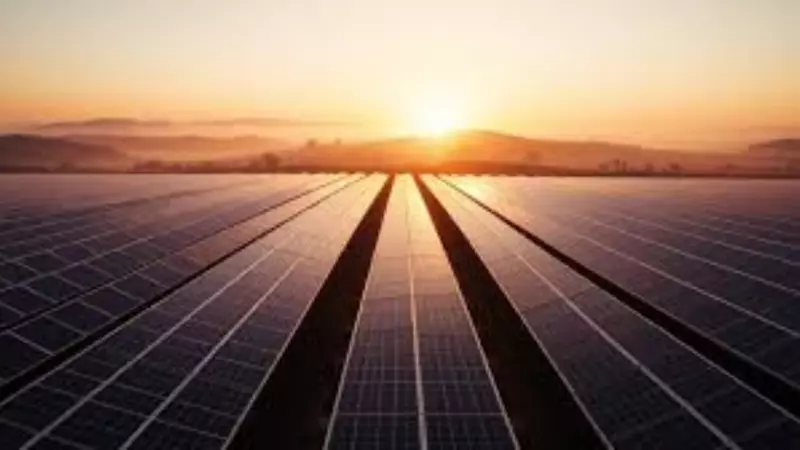
The lion's share of this new capacity came from solar power installations. According to data from the Central Electricity Authority (CEA), the country added 4.2 GW of solar power capacity during this three-month period. This dominant performance highlights the continued focus and investment in harnessing India's abundant solar potential.
Wind energy also contributed to the quarter's gains, with an addition of 0.34 GW. The remaining capacity was filled by smaller contributions from other renewable sources. This quarterly addition is a critical step towards achieving the ambitious national targets set for the coming years.

Progress Towards Ambitious National Targets
India has set a formidable goal of reaching 500 GW of installed capacity from non-fossil fuel sources by the year 2030. The recent quarterly figures are a positive indicator of the momentum needed to meet this long-term objective. The consistent addition of renewable capacity is crucial for enhancing energy security, reducing dependence on imported fossil fuels, and meeting climate commitments.
The growth in the renewable sector is being driven by a combination of supportive government policies, competitive tariffs discovered through auctions, and increasing participation from both domestic and international investors. The focus is not only on large utility-scale projects but also on decentralized applications like rooftop solar, which can empower individual consumers and reduce grid strain.
Implications for India's Energy Future
The steady infusion of renewable energy into the national grid has profound implications. It directly supports India's pledge to reduce the carbon intensity of its economy and is a cornerstone of the 'Panchamrit' targets announced at the COP26 climate summit. Furthermore, the expansion of this sector is a major job creator, fostering employment in manufacturing, project development, and operations & maintenance.
However, this rapid growth also presents challenges, such as the need for robust grid modernization to handle the intermittent nature of solar and wind power, and the development of large-scale energy storage solutions. The government and industry stakeholders are actively working on these fronts to ensure a smooth and reliable energy transition.
In conclusion, the addition of 4.8 GW of clean energy in just one quarter is a strong signal of India's commitment to a sustainable future. It demonstrates tangible progress on the path to 500 GW of non-fossil fuel capacity, promising a greener grid, enhanced energy independence, and a significant contribution to global climate action efforts.