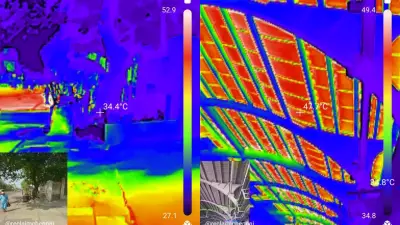
India's heat crisis is no longer confined to record-breaking afternoons. It is stretching into the night, trapping stress in the body and turning summer into a recurring public health threat for millions who have little protection at home, at work or in the health system.
Official Toll May Be Underestimated
While official figures report thousands of deaths, experts believe the actual number may be significantly higher. Many heat-related fatalities are not directly attributed to heatstroke but to exacerbated chronic conditions such as cardiovascular and respiratory diseases. In rural areas, where access to healthcare is limited, deaths often go uncounted.
Night-Time Heat: A Silent Killer
Rising night-time temperatures prevent the body from cooling down, leading to cumulative heat stress. This is particularly dangerous for the elderly, outdoor workers, and those without air conditioning. A study from the Indian Institute of Tropical Meteorology found that night-time heatwaves have increased by 50% in the last decade.

Vulnerable Populations at Risk
Millions of Indians living in informal housing with inadequate ventilation are exposed to dangerous heat levels. Construction workers, farmers, and street vendors often have no choice but to work during peak heat hours. The lack of cooling shelters and public awareness campaigns exacerbates the crisis.
Healthcare System Under Strain
Hospitals in heat-affected states report surges in admissions for heatstroke, dehydration, and kidney failure. However, many primary health centers lack the resources to treat heat-related illnesses effectively. The Ministry of Health has issued guidelines, but implementation remains uneven.
Future Outlook
The World Meteorological Organisation has warned that global temperatures are likely to remain at or near record levels over the next five years. For India, this means more frequent and intense heatwaves. Adaptation measures, such as urban green spaces, cool roofs, and early warning systems, are urgently needed to save lives.
Without a comprehensive strategy that includes accurate mortality tracking, the true scale of the heat crisis will remain hidden, leaving millions at risk.