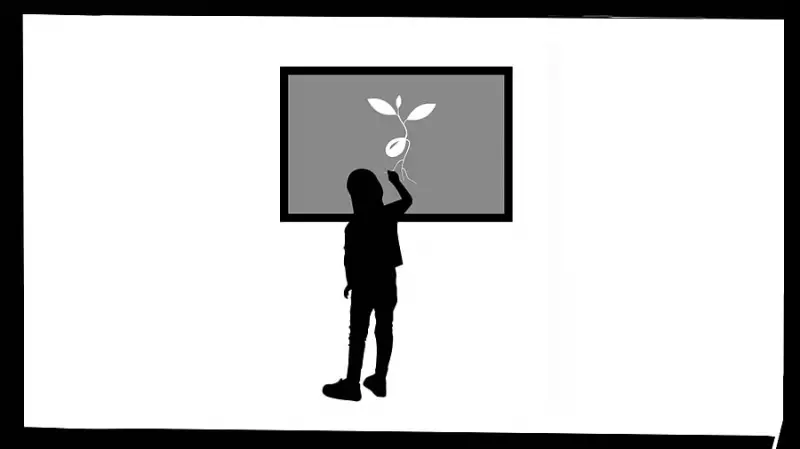
India faces a critical challenge in building climate resilience. Policy measures alone cannot secure our future against environmental threats. We need a deeper, more fundamental approach that starts with our youngest citizens.
The Limitations of Policy-Driven Climate Action
Government policies and international agreements play vital roles in addressing climate change. However, these top-down initiatives often lack grassroots engagement. They can feel distant from everyday life, especially for children and communities on the front lines of environmental impact.
True resilience requires more than regulations and targets. It demands a cultural shift where every individual understands their role in protecting the planet. This shift must begin in the classroom, where young minds are shaped.

Embedding Climate Education in Foundational Learning
Schools across India should integrate climate awareness into their core curriculum. This integration should not be an add-on or elective subject. Instead, it must become part of foundational learning from the earliest grades.
Imagine science lessons that explore local ecosystems. Picture geography classes discussing monsoon patterns and water conservation. Envision social studies highlighting sustainable practices from Indian traditions. These approaches make climate education relevant and actionable.
Teachers need training and resources to deliver this content effectively. They can transform abstract concepts into tangible lessons that inspire stewardship.
Cultivating Climate Custodians from a Young Age
The goal is to raise a generation of climate custodians. These are individuals who feel responsible for their environment. They practice sustainability in daily life and advocate for broader change.
Schools can foster this mindset through practical activities:
- School gardens where students grow native plants and learn about biodiversity.
- Waste management projects that teach recycling and composting.
- Energy audits helping pupils understand consumption and conservation.
- Community clean-ups connecting classroom learning to real-world action.
Such hands-on experiences build empathy and skills. They show children that their actions matter, empowering them to become agents of change.
Overcoming Implementation Challenges
Integrating climate education nationwide presents hurdles. Many schools struggle with overcrowded syllabi and limited resources. Rural and urban institutions face different constraints.
Solutions require collaboration:
- Curriculum designers must prioritize environmental topics without overburdening students.
- Educational authorities should provide training and materials tailored to regional contexts.
- Parents and communities need to support these initiatives, reinforcing lessons at home.
Pilot programs in various states can test approaches and share best practices. Success stories from innovative schools can inspire broader adoption.
The Long-Term Impact of Early Climate Education
Investing in climate education today yields profound benefits tomorrow. Students who understand environmental issues become informed voters and conscious consumers. They drive demand for green technologies and sustainable policies.
This educational foundation complements national efforts like the National Education Policy 2020, which emphasizes holistic learning. It aligns with India's international commitments under the Paris Agreement and Sustainable Development Goals.
Ultimately, raising climate custodians in schools creates a resilient society. It prepares India to face climate challenges with knowledge, innovation, and collective responsibility. The time to act is now, before the window for effective action closes further.