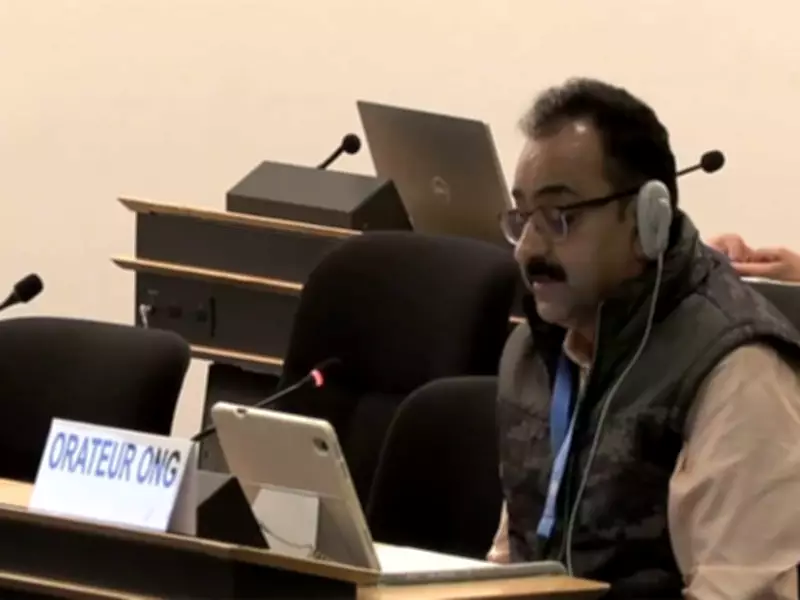
India has spotlighted its efforts to build climate-resilient food systems and strengthen food security while addressing the impacts of climate change at the 62nd session of the United Nations Human Rights Council (UNHRC) in Geneva.
Key Interventions at UNHRC
During his intervention, Arvind Kumar of the India Water Foundation stressed that transforming food systems is essential to ensuring fundamental human rights, including the rights to food, health, a clean environment, and a life of dignity. He noted that India recognizes the strong link between climate change and food insecurity and has adopted a range of measures to address the challenge.
Climate-Resilient Crop Varieties
Kumar highlighted that India has developed more than 1,900 climate-resilient crop varieties, including a rice variety that requires 25 per cent less water. Additionally, the country has released 109 high-yielding biofortified crop varieties across 61 crops to improve nutrition and protect farmers' livelihoods, particularly in communities most vulnerable to climate-related risks.

National Mission on Natural Farming
Emphasizing recent policy initiatives, Kumar said the Indian Cabinet approved the National Mission on Natural Farming in 2024. This centrally sponsored programme, with an outlay of approximately USD 290 million, aims to promote ecosystem-based agricultural practices and support around 10 million farmers across the country.
Role of India Water Foundation
Kumar also outlined the role of the India Water Foundation in advancing sustainable and resilient food systems. The organization works through policy advocacy, research, knowledge sharing, capacity building, and multi-stakeholder partnerships to promote climate-resilient agriculture, nutrition security, sustainable livelihoods, and ecosystem restoration. According to Kumar, the Foundation collaborates with farmers, researchers, civil society organizations, and policymakers to strengthen food security, enhance resilience to climate change, and improve the well-being of vulnerable communities.
Commitment to Integration
The intervention underscored India's commitment to integrating climate action with food security and human rights objectives while advancing sustainable agricultural practices to address emerging global challenges. This initiative reflects India's proactive stance in aligning national policies with international human rights and environmental frameworks.