

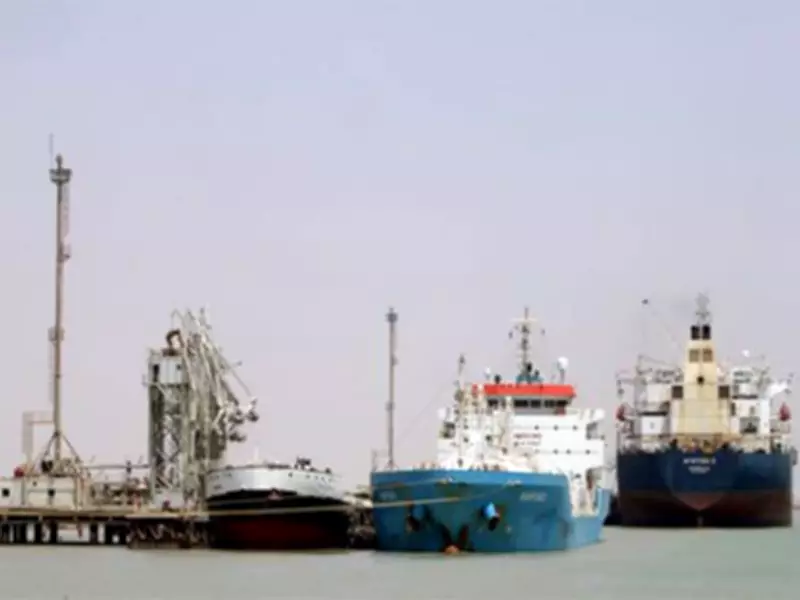
Indian Crew Member Killed in Drone Attack on US-Owned Oil Tanker Near Iraq
In a tragic incident highlighting escalating tensions in the Middle East, an Indian crew member lost his life during a drone attack on a US-owned oil tanker near the coast of Iraq. The attack, which occurred in the strategic waters of the Persian Gulf, has sent shockwaves through the maritime community and raised serious concerns about the safety of commercial shipping in the region.
Details of the Attack and Rescue Operation
The targeted vessel, a large oil tanker owned by a United States-based company, was navigating through international waters when it came under assault from an unmanned aerial vehicle, commonly known as a drone. The precise location of the incident was reported to be in close proximity to Iraqi territorial waters, an area known for its volatile security environment due to ongoing geopolitical conflicts.
Upon impact, the drone caused significant damage to the tanker's superstructure, leading to a fire and immediate distress signals being issued. The crew, comprising multiple nationalities, swiftly initiated emergency protocols. In a coordinated rescue effort, fifteen other crew members, including several Indians, were successfully evacuated and rescued by nearby vessels and maritime authorities. They have been reported to be in stable condition, receiving medical attention and support.

Victim and Crew Composition
The deceased crew member has been identified as an Indian national, whose family has been notified by the relevant authorities. The Indian government, through its diplomatic channels, is actively engaged in providing assistance and ensuring a thorough investigation into the circumstances surrounding his death. The crew of the tanker was diverse, with members from various countries, underscoring the global nature of maritime operations and the shared risks faced by seafarers worldwide.
This incident marks a somber reminder of the perils associated with maritime trade in conflict zones.Geopolitical Context and Implications
The attack occurs against a backdrop of heightened tensions in the Middle East, particularly involving Iran-backed groups and US interests in the region. Similar incidents have been reported in the past, often linked to broader geopolitical rivalries that spill over into maritime domains. The Persian Gulf is a critical chokepoint for global oil shipments, and any disruption here can have far-reaching consequences for international energy markets and economic stability.
Maritime security experts have pointed out that such attacks not only endanger lives but also threaten the free flow of commerce, potentially leading to increased insurance costs and rerouting of vessels. The international community, including organizations like the United Nations, may call for enhanced patrols and diplomatic efforts to de-escalate tensions and protect civilian shipping lanes.
Response from Authorities and Next Steps
In response to the attack, US and Iraqi authorities have launched investigations to determine the perpetrators and their motives. Preliminary reports suggest the involvement of non-state actors, but official confirmations are pending. The Indian Embassy in Iraq is closely monitoring the situation, working with local agencies to ensure the safe repatriation of the deceased and support for the rescued crew members.
The safety of seafarers remains a paramount concern, and this event is likely to prompt renewed discussions on implementing stricter security measures for ships traversing high-risk areas.
As the investigation unfolds, stakeholders in the shipping industry are urged to review their security protocols and consider additional safeguards against such asymmetric threats. The loss of life in this attack serves as a stark warning about the evolving nature of maritime risks in an increasingly interconnected yet conflict-prone world.






