Indian Sikh Community in Tehran Grapples with Isolation Amid Escalating US-Israel-Iran Conflict
As tensions flare between the United States, Israel, and Iran, the minuscule Indian community in Tehran, including a small Sikh population estimated at fewer than 100 individuals, is confronting severe challenges and isolation. The ongoing hostilities have disrupted daily life, with communication lines severed and safety concerns mounting for residents in the Iranian capital.
Historic Gurdwara Serves as Sanctuary Amidst Turmoil
For decades, the Bhai Ganga Singh Sabha Gurdwara, established in 1941, has stood as a cornerstone of faith, refuge, and selfless service (seva) for the local Sikh community. This historic institution has welcomed dignitaries, including Prime Minister Narendra Modi, symbolizing its significance. However, since the eruption of the current conflict, no successful communication has been established with any Sikh resident in Tehran, leaving their status uncertain.
Sikh businessman Amardeep Singh Anand, currently based in India, reported that his last contact with acquaintances in Iran occurred on the day the conflict began. At that time, he learned that the Gurdwara remained open, but all subsequent attempts to reach the community have failed. Anand speculates that Sikhs may have taken shelter inside the Gurdwara or relocated out of the city to seek safety from the escalating violence.

Educational Disruptions and Past Gestures of Respect
The Kendriya Vidyalaya-Tehran, where Sikh and other Indian children study, was operational until the last available information, but board exams have been postponed due to the unstable situation. This disruption adds to the community's hardships, affecting young students' academic progress.
Historically, Indian Sikhs in Iran have expressed deep gratitude for the respectful treatment of their religious identity by Iranian authorities. Many recall how officials allowed Sikh residents to be photographed with turbans for official documents, a gesture viewed as a significant honour that fostered goodwill. Similarly, the Iranian administration has extended support to Indians on various occasions, such as following the passing of Iran's supreme leader Ayatollah Ali Khamenei, when several Indians updated their social media profiles with his photographs as a mark of respect.
Broader Context of the Conflict and Its Impact
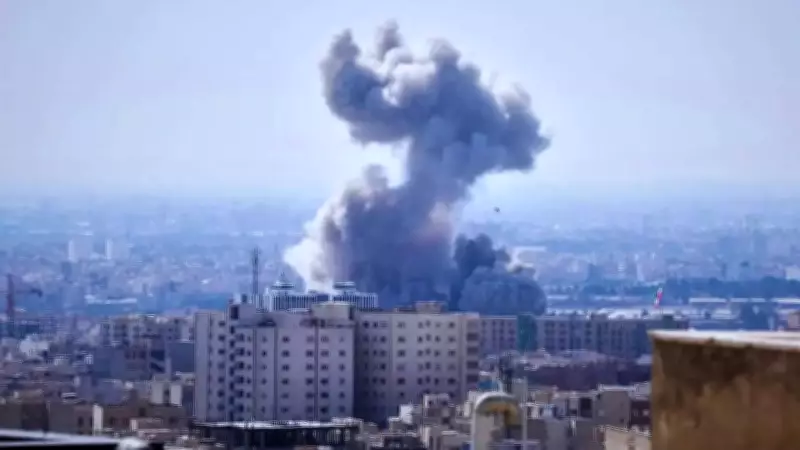
The current hostilities involve ongoing bombings by the US and Israel in Iran, with Israeli jets also striking Hezbollah targets in Lebanon's Beirut. This geopolitical turmoil has placed the small Indian diaspora in Tehran in a precarious position, highlighting their vulnerability in times of international strife. The community's reliance on the Gurdwara for shelter and support underscores its role as a vital lifeline during crises.
As the conflict persists, the fate of the Indian Sikhs in Tehran remains uncertain, with hopes pinned on restored communication and de-escalation of violence to ensure their safety and well-being.