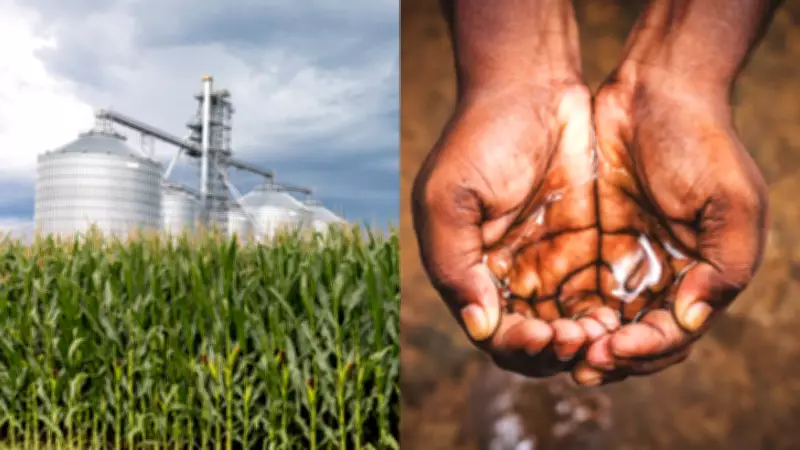
A recent report has raised concerns that India's push for ethanol-blended fuel could worsen the country's already severe water crisis. The report highlights that sugarcane, the primary source for ethanol production in India, is a water-intensive crop, and expanding its cultivation to meet blending targets may strain water resources further.
Ethanol Blending Targets
India aims to achieve 20% ethanol blending in petrol by 2025, up from the current 10% target. This policy is part of the government's efforts to reduce oil imports, cut carbon emissions, and support sugarcane farmers. However, the report warns that the environmental costs, particularly on water availability, have been overlooked.
Water Footprint of Sugarcane
Sugarcane requires about 2,000 liters of water to produce one kilogram of sugar, making it one of the most water-intensive crops. In water-scarce regions like Maharashtra and Karnataka, where sugarcane is widely grown, this could exacerbate the water crisis. The report notes that diverting sugarcane for ethanol production could increase water demand by 20-30% in these areas.

Impact on Groundwater
Groundwater depletion is a major concern in India, with over 60% of districts facing critical or over-exploited groundwater levels. The report warns that increased sugarcane cultivation for ethanol could accelerate groundwater depletion, affecting drinking water supplies and agricultural productivity.
Alternative Feedstocks
The report suggests that India should explore alternative feedstocks for ethanol production, such as agricultural waste or non-food crops that require less water. Second-generation ethanol from cellulosic biomass could reduce water usage and avoid competition with food crops.
Policy Recommendations
To mitigate the water crisis, the report recommends that the government conduct a comprehensive water footprint assessment of ethanol production and implement water-saving technologies in sugarcane farming. It also calls for better coordination between energy and water policies to ensure sustainable development.
While the ethanol blending program has benefits for energy security and farmer incomes, the report emphasizes that ignoring water constraints could lead to severe environmental and social consequences. Policymakers must balance these trade-offs to achieve long-term sustainability.