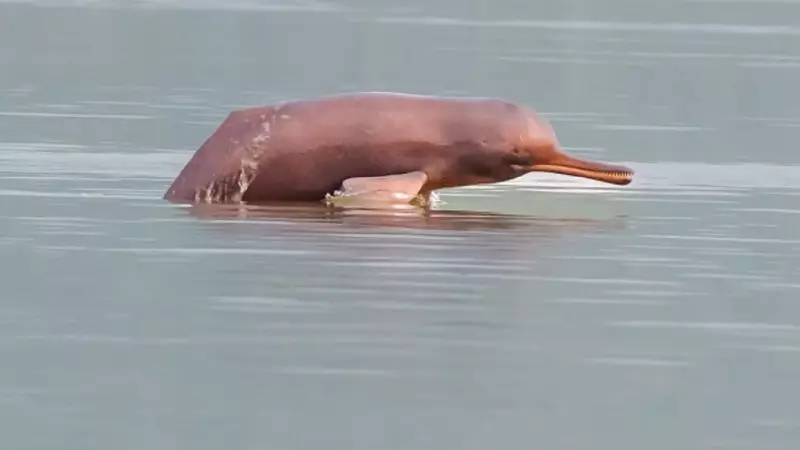
India's Pink River Dolphins: The Ganges' Unique Amazon Counterpart
India's Ganges River is home to thousands of remarkable pink river dolphins, serving as a fascinating counterpart to the Amazon's famous river dolphins. These Gangetic dolphins, officially designated as India's national aquatic animal, primarily inhabit the extensive Ganges-Brahmaputra river system across northern India. The International Union for Conservation of Nature (IUCN) has classified these magnificent creatures as endangered, highlighting their vulnerable status in the wild.
Surveying India's Aquatic Treasures
In significant conservation news, India's largest river dolphin survey and the second comprehensive range-wide estimation under Project Dolphin commenced just two days ago in Bijnor, Uttar Pradesh. This ambitious initiative represents a crucial step in understanding and protecting these unique aquatic mammals. According to the official statement released by the Ministry of Environment, Forest and Climate Change, the survey will unfold in two comprehensive phases.
The first phase will meticulously cover the main stem of the Ganga River, stretching from Bijnor all the way to Ganga Sagar, along with the Indus River system. The second phase will expand to include the Brahmaputra River, numerous tributaries of the Ganga, the biodiverse Sundarbans region, and the waterways of Odisha. This systematic approach ensures thorough coverage of the dolphins' primary habitats.

The Pink Phenomenon Explained
Why do these river dolphins display such distinctive pink coloration? According to Encyclopedia Britannica, several fascinating factors contribute to their unique hue. The mineral composition of their aquatic environments can influence skin tone, while dietary elements introduce color-changing pigments over time. Physical exertion often causes dilation of blood vessels beneath the skin, creating temporary pink coloration similar to human blushing.
The aging process also plays a significant role in their coloration. Young dolphins typically display grey and brown tones, but as they mature, their skin becomes mottled with grey and pink patterns. Interestingly, some male dolphins develop particularly bright pink coloration as they age. This pink shade often serves as an indicator of health and vitality during mating rituals, with excessive social activities like play or competition increasing blood flow and intensifying their pink appearance.
Habitat and Conservation Challenges
The Gangetic dolphin population extends beyond India's borders, swimming through the Ganges, Brahmaputra, Karnaphuli, and Meghna rivers and their tributaries across India, Bangladesh, Nepal, and Bhutan. These impressive creatures can grow up to 10 feet in length and exhibit unique hunting behaviors, swimming on their sides while trailing a flipper to detect fish, shrimp, and molluscs.
Unfortunately, these remarkable dolphins face severe threats from human activities. Industrialization, oil spills, poaching, and commercial fishing practices have created a high risk of extinction for the species. The previous nationwide survey conducted between 2021 and 2023 recorded approximately 6,327 riverine dolphins across India. This included Ganges River Dolphins distributed across multiple river systems and a small population of Indus River Dolphins in the Beas River.
Uttar Pradesh and Bihar accounted for the largest dolphin populations, followed closely by West Bengal and Assam. These findings underscore the critical importance of the Gangetic basin for long-term dolphin conservation. The thriving presence of these pink dolphins serves as a powerful indicator of healthy river ecosystems, reminding us that flourishing rivers directly support abundant aquatic and marine life.
The current survey represents hope for these endangered creatures, providing essential data to guide conservation strategies and protect India's unique aquatic heritage for future generations.