India's Renewable Power Generation Soars to Record Levels in 2025
India's renewable power sector achieved a remarkable milestone in 2025, with generation from solar, wind, hydro, and bioenergy sources increasing by a staggering 98 terawatt-hours (TWh). This represents a substantial 24% annual growth rate, effectively doubling the previous record set in 2022. The surge in clean energy production occurred alongside an unusually low electricity demand growth of just 49 TWh, attributed to milder weather conditions and slower industrial activity across the country.
Fossil Fuel Generation Declines Amid Renewable Surge
As a direct consequence of this renewable energy boom, India's fossil fuel power generation experienced a notable decline of 52 TWh, equivalent to a 3.3% reduction. This marks only the third time since the year 2000 that fossil generation has fallen in the country. These findings come from a comprehensive new report released on Tuesday by Ember, an independent global energy think tank specializing in electricity data analysis.
"India's power system is entering a new phase of its transition, driven by record additions in solar and wind capacity in 2025," explained Duttatreya Das, Energy Analyst for Asia at Ember. "Going forward, investments in grid infrastructure and flexibility resources will be critical. India is on the right track—auction designs are already evolving to include greater energy storage components. As these projects begin to scale, they will enable more efficient utilisation of low-cost clean power across the system."

Solar Power Emerges as Dominant Clean Energy Source
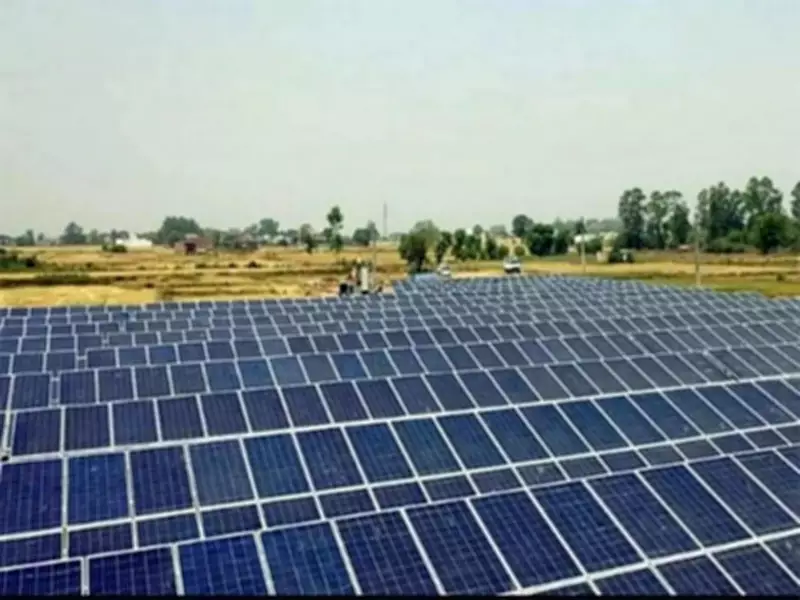
The report highlights solar power as the standout performer in India's energy transition. Solar generation alone increased by 53 TWh in 2025, representing a remarkable 37% growth rate that exceeded both the global average of 30% and India's own wind and hydro growth rates. This solar expansion was fueled by a record-breaking capacity addition of 38 gigawatts (AC), surpassing the United States' 35 GW for the first time.
"Solar power is the dominant driver of change in India's power system," emphasized Aditya Lolla, Ember's Managing Director. "Along with battery storage, solar is opening a path to fast-scaling, round-the-clock clean power that can enhance India's energy security and fend off global shocks."
Solar energy has now overtaken hydroelectric power to become India's largest source of clean electricity, accounting for 9.4% of total generation in 2025. The country's solar output has doubled since 2022, growing from 96 TWh to 196 TWh, solidifying India's position as the world's third-largest solar generator—nearly doubling the output of Japan in fourth place.
Wind Power Achieves Record Growth
India's wind power sector also achieved significant milestones in 2025, recording its largest ever annual increase of 22 TWh. Wind generation has more than tripled over the past decade, growing from 33 TWh in 2015 to 104 TWh in 2025, with nearly one-third of that increase occurring in 2025 alone. This impressive growth propelled India past the United Kingdom to become the world's fifth-largest wind power generator.
Global Context and Energy Security Implications
The Ember report places India's achievements within a broader global context. Worldwide, solar generation increased by 636 TWh in 2025—enough to displace gas-fired electricity equivalent to all liquefied natural gas (LNG) exports through the strategic Strait of Hormuz in the previous year, estimated at 550 TWh.
This global shift toward renewable energy comes amid heightened concerns about energy security and fossil fuel volatility. The ongoing conflict involving the United States, Israel, and Iran has created what Ember describes as "a second fossil shock in just four years," highlighting the inherent risks associated with fossil fuel dependence and reinforcing the critical role of renewables in providing secure, affordable electricity supplies.

India's Position in the Global Energy Transition
Despite these impressive gains, India's share of wind and solar in electricity generation remains at 14%, slightly below the global average of 17%. However, this represents a significant 3 percentage point increase from the previous year, demonstrating the accelerating pace of clean energy adoption in the country.
India continues to be the world's second-largest coal generator, trailing only China. Yet the 2025 data reveals a promising trend: the combined growth of wind and solar generation in India increased by 75 TWh, setting a new national record and actually exceeding the country's electricity demand growth. Globally, wind and solar growth met an impressive 99% of rising electricity demand, with solar alone meeting three-quarters of global demand growth.
The report concludes that India's renewable energy expansion in 2025 was sufficient to meet the country's entire electricity demand growth for the year, marking a significant turning point in the nation's energy transition journey.