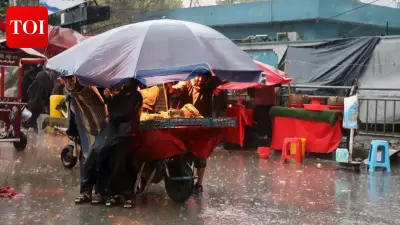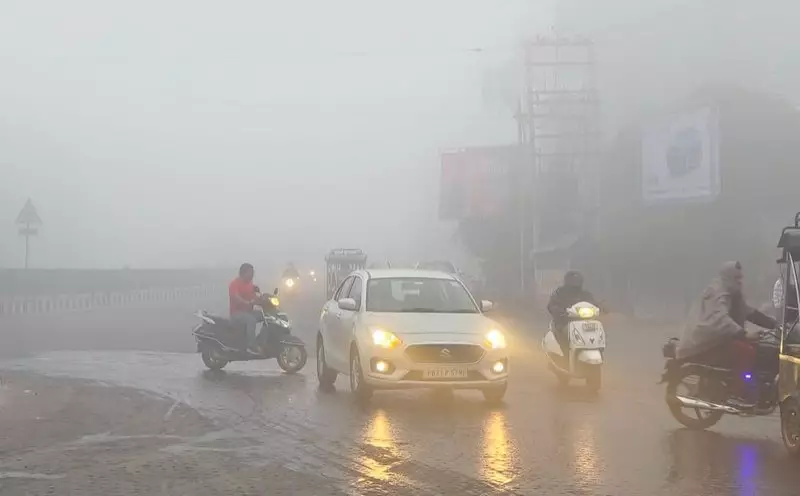
A severe cold wave tightened its grip over the northern plains of India on Tuesday, with the states of Punjab and Haryana experiencing intense winter conditions. The mercury plunged significantly, making life difficult for residents and disrupting daily routines.
Hisar Emerges as the Coldest Spot in the Region
According to the latest data from the India Meteorological Department (IMD), the city of Hisar in Haryana recorded a minimum temperature of 2.5 degrees Celsius, making it the coldest recorded place in the two states for the day. This biting cold is several degrees below the normal average for this time of the year, highlighting the intensity of the ongoing cold spell.
Other major cities were not far behind in feeling the chill. Amritsar in Punjab registered a low of 4.8 degrees Celsius, while the capital of Punjab, Chandigarh, saw the mercury drop to 5.4 degrees Celsius. In Haryana, Karnal recorded 3.6 degrees Celsius, and Ambala shivered at 4.2 degrees Celsius. The widespread dip in temperatures across the region confirms the extensive reach of the cold wave.

IMD Issues Fog and Cold Day Warnings
The weather office has issued alerts for dense fog and cold day conditions for the coming days. The IMD forecast predicts that dense to very dense fog is very likely in isolated pockets over Punjab and Haryana during the next 24 hours. This advisory is crucial for travelers, as visibility is expected to drop dramatically, potentially affecting road, rail, and air traffic.
Furthermore, the IMD has stated that cold day to severe cold day conditions are likely to continue in some parts of Haryana during the next two days. A 'cold day' is officially declared when the minimum temperature is 10 degrees Celsius or below and the maximum temperature is at least 4.5 degrees Celsius below normal. The persistence of such conditions underscores the need for continued caution.
Impact on Daily Life and Precautions
The intense cold wave and accompanying fog have begun to impact daily life significantly:
- Travel Disruptions: Reduced visibility due to fog poses a serious risk for commuters on highways and can lead to delays in train and flight schedules.
- Health Concerns: The extreme cold, especially for vulnerable populations like the elderly and homeless, increases the risk of hypothermia and respiratory illnesses.
- Agricultural Effects: Dense fog and cold conditions can also affect winter crops (Rabi crops) in the agrarian states of Punjab and Haryana.
Authorities and health experts advise citizens to take necessary precautions, including wearing warm layered clothing, avoiding early morning and late evening exposure, and ensuring proper heating arrangements. The administration is also urged to provide night shelters for the homeless population to protect them from the harsh weather.
As the region reels under this intense cold spell, all eyes are on the weather updates from the IMD, hoping for a respite soon. The current conditions serve as a stark reminder of the challenging winter season in North India.